Art in the Office: When Art Brings Life to Spaces
“An adventure in which every project becomes an encounter… and in which beauty is always the common thread.”
TRAJECTORY AND VISION
1. Could you tell us about your career and what led you to found the LDG Art & Patrimoine gallery?
I’ve always been fascinated by the way art can transform a place… and the people who visit it.
After studying art history and specializing in the art market at the École du Louvre, I was fortunate enough to have wonderful experiences in Rome and Paris, working in galleries, on curatorial projects, and, above all, through encounters with incredibly talented young artists.
One day I asked myself: What if we reimagined the way we experience a work of art?
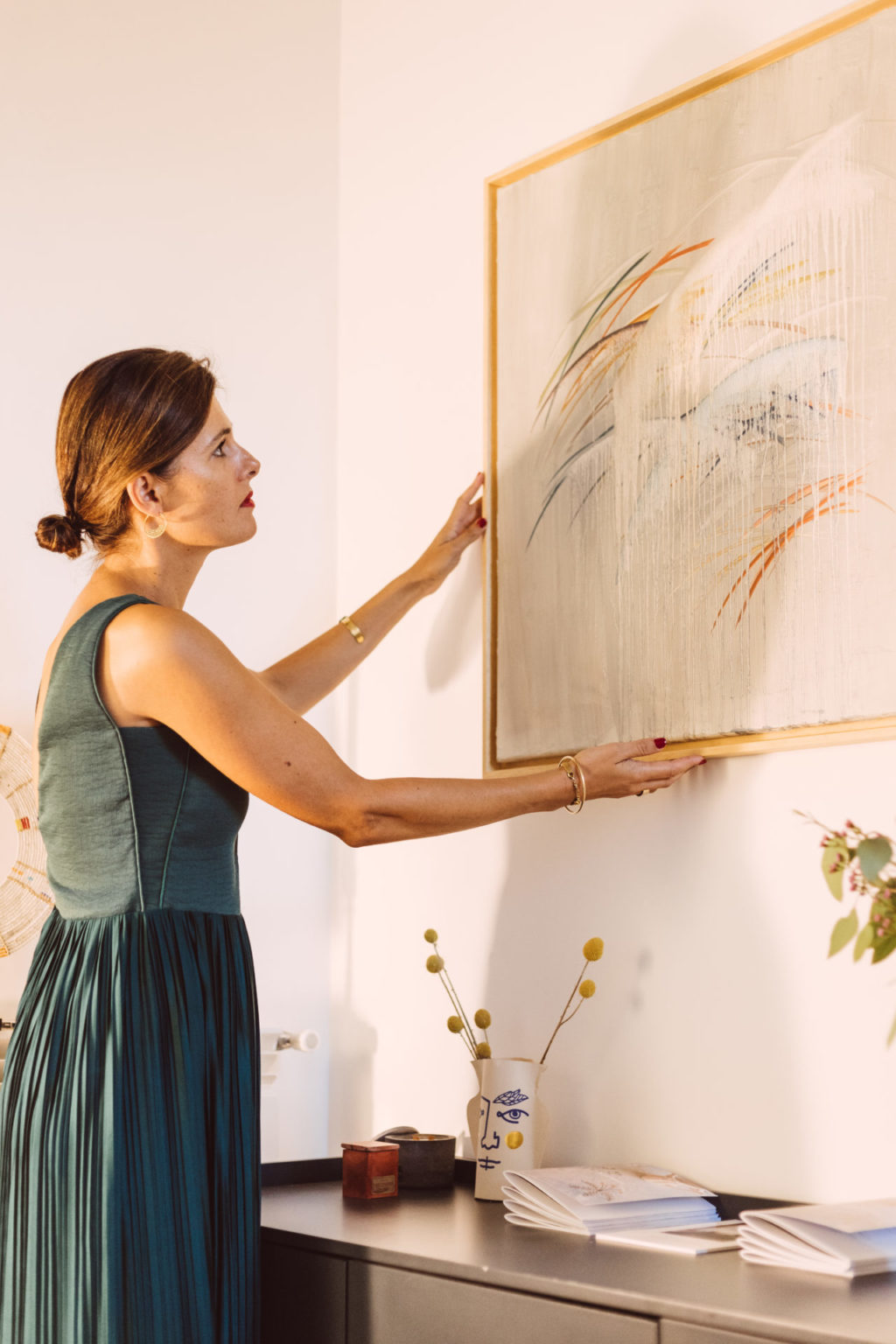
Not just hanging it on a white wall. But a true dialogue: between the artwork, the architecture, the history of a place, and the daily lives of those who live there.
That’s how LDG Art & Patrimoine was born—a nomadic gallery where I combine my passion for curating with custom projects for both businesses and individuals.
An adventure in which every project becomes an encounter… and in which beauty is always the common thread.
2. What inspired you to create a dialogue between art, architecture, and professional spaces?
Architecture creates the framework… and art is its soul.
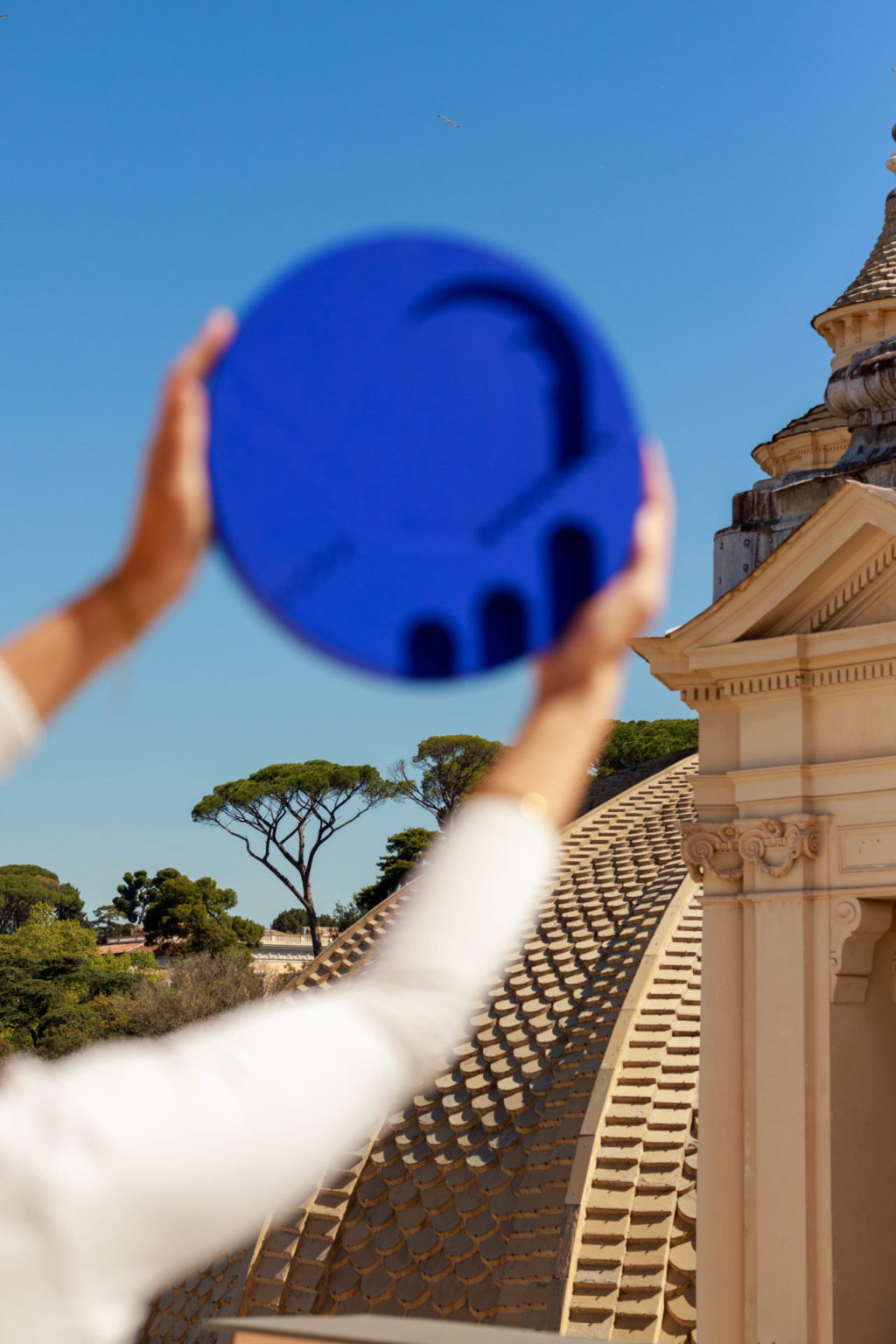
I envisioned my first exhibitions in Rome, a city where every stone and every facade tells a story. There, heritage and architecture are not merely a backdrop; they become a source of inspiration, a true showcase for contemporary art.
I firmly believe that art has this power: to transform our perception of a space, to stimulate creativity, and to enrich our daily lives.
When art and architecture engage in dialogue, something magical happens. We are no longer talking only about function, but about life, emotion, and presence.
I have been fortunate enough to exhibit artists’ work in a wide variety of venues, ranging from private, intimate spaces to corporate offices.
But in every case, the idea is the same: to bring beauty to the places where we spend most of our time.
Because a place can be functional, yes… but when art is woven into it, it comes to life. And it often surprises us. It fills us with wonder.
3. What are your main goals and those of your gallery today?
My role is twofold: on the one hand, I assist companies and individuals in selecting and integrating artworks that are suited to their space and identity; on the other hand, I support and promote artists by connecting them with projects that are meaningful to them and to the location.

Artistic strategy
1. Why does integrating art into office spaces go beyond mere decoration?
Art enhances workspaces. From an aesthetic point of view, art allows spaces to be enhanced, creating a unique atmosphere and bringing soul to a workplace that is often too impersonal and standardized.
Art transforms the sensory and emotional experience of a place. It creates connections, arouses curiosity, and can even positively influence the creativity and well-being of employees. It is not just a matter of "filling a wall," but of adding depth and meaning to the professional environment.
2. What are the essential criteria for selecting a work or artist for a design project?
The work must dialogue with the architecture, the history of the place, and the DNA of the company. But it is also necessary for the artist to have a sincere approach and for their proposal to open up a space for reflection or emotion for those who live or work in that place.
Art, architecture, and identity of places
1. Your approach is closely linked to the architecture and history of places. How does this influence your work as a curator?
Each space has its own identity, proportions, and atmosphere. My job is to listen to these characteristics and find works that complement them or create a poetic contrast. The history of a place is an incredible source of inspiration for creating a rich dialogue.
2. How do you get a work to dialogue with a company's identity, its DNA, or its architectural concept?
I always start by understanding the company: its culture, its values, its positioning. Then I look for works that embody these traits and can enrich the experience of employees and visitors, playing with light, color, volumes, and spatial arrangement.
3. Do you have any specific examples of a project in which art has truly transformed the perception of a space?
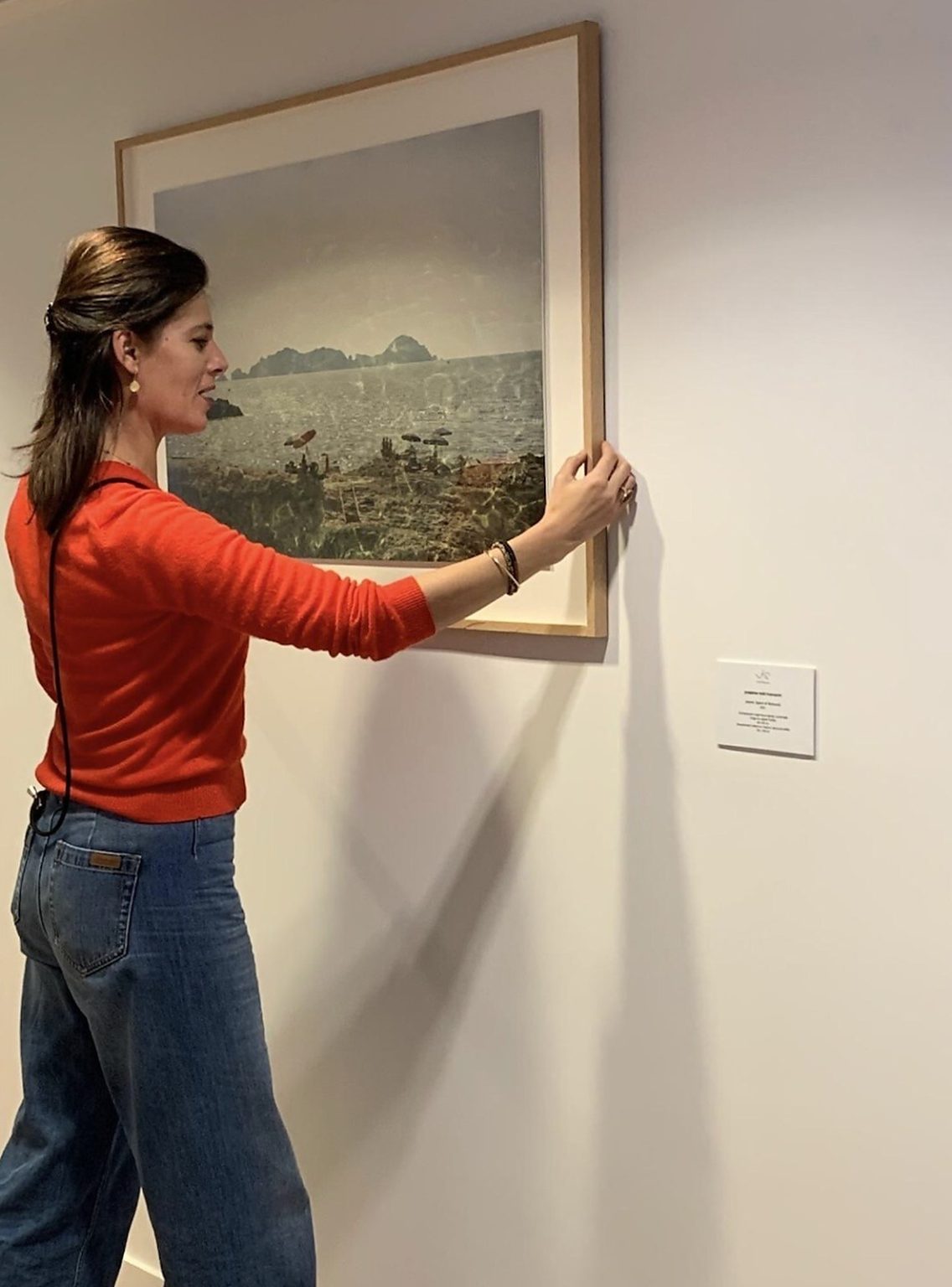
For example, in a recent project for an innovative company, we created a masterful and immersive work for their lobby in the form of a glass and brass suspension, around which the viewer can move, losing touch with the real world, and we placed photographs on the walls of the other spaces. These works change the perception of open spaces and break areas. Employees begin to interact differently with their environment, and visitors are very surprised and enthusiastic.
CSR, commitment, and employee experience
1. Can art be a lever for strengthening corporate culture and creating bonds between employees?
Of course.
Art is, above all, a means of creating bonds between people.
It is a vector for encounters, exchanges, and conversations that might never have taken place otherwise.
When a company integrates art into its spaces, it offers its employees, customers, partners, and others a unique opportunity: to exchange opinions in a different way, to step outside the hierarchical framework, to talk about things other than figures or files.
Because art is a universal language.
It opens up dialogue, stimulates creativity, and promotes inclusion.
A work of art becomes a meeting point, a topic of conversation, a source of shared inspiration.
And then there is the encounter with the artists.
Exchanges, visits to workshops, mediation tools... all of this makes art accessible, even to those who consider themselves "uninitiated."
We no longer settle for just looking at a work: we discover its technique, its process, its intention.
And that's where the magic happens.
Because that shared moment, between emotion and curiosity, touches something deeply human.
When faced with art, we feel alive.
2. How can companies reconcile artistic patronage, social responsibility, and the appeal of their spaces?
Well, it all starts with meaning.
By supporting emerging or local artists, integrating sustainable and eco-friendly works, or simply making their spaces more pleasant and inspiring for everyone.
And then, nothing can replace meeting in person: I often encourage companies to go and see the artists, to visit their studios. Because that's where the connection is born, the mutual understanding and, ultimately, the pride in being associated with an artistic initiative.
Art is much more than a decorative object.
It's a way of expressing what the company is, its values, its worldview.
It is a responsible investment that demonstrates an open mindset and clearly sets you apart from your competitors.
When we enter a place where there is art, we immediately feel an identity, an atmosphere, an extra touch of soul.
And what's more, there is a real social mission behind it all.
Exhibiting works of art means participating in the democratization of culture, encouraging creativity, and offering emotions to those who live or work in these spaces.
Art brings pleasure, well-being... and often a real boost of creativity for teams.
And best of all: it's also tax-efficient.
A company that purchases an original work by a living artist to display to the public can deduct the purchase price from its taxable income.
There is one condition: the work must be visible free of charge for at least five years, in a place accessible to the public or employees.
In other words, it's good for culture, for employees, for image... and for finances!
3. Have you noticed any changes in the way employees and visitors perceive art in the office?
Yes, art is increasingly perceived as a strategic element rather than a decorative one. Employees appreciate initiatives that enrich their daily lives, and visitors expect to find spaces that reflect the creativity and identity of the company.
Furthermore, in a work environment, brains activate, calculate, and organize; when faced with a work of art, it is the heart that awakens and emotions that speak. I believe that employees and visitors cannot help but be sensitive to this proposal, which may touch their souls a little.
I see increasing interest in companies and liberal professions (law firms, doctors, etc.). Some of the bosses are already personally attracted to art and, in some cases, are collectors. They like to surround themselves with art, and this transcends the private sphere to extend into the professional sphere.
Collaboration with Parella
1. You are starting a collaboration with Parella on an artistic integration project. What attracts you to this approach?
I was fortunate that Parella called me to accompany them in their art curation offer for companies. Their ability to create immersive and personalized experiences fits perfectly with my vision: a project in which art and architecture come together to transform space.
2. How do you see the complementarity between your experience and that of Parella?
LDG Art & Patrimoine provides the artistic selection and knowledge of the artists, while Parella masters the spatial experience and technical integration. Together, we can create coherent and impactful projects.
3. In your opinion, what does a well-thought-out artistic approach bring to a real estate or urban planning project?
It enriches the space, creates an emotional connection, enhances the company's image, and offers users a unique experience that goes beyond mere functionality.
Trends and future of art in business
1. What major trends do you see emerging today in the integration of art into workspaces?
Immersive, interactive, or modular art that invites participation and reflection; sustainable and responsible art; and collaborations with emerging artists to make each space unique.
2. How do you imagine the office of the future in terms ofartisticexperience
?
As a flexible and lively place, where art evolves with its uses, stimulates creativity and encounters, and becomes an integral part of the company's identity.
3. Finally, if you had to give one piece of advice to a company wishing to embark on an art curation project, what would it be?
Take the time to understand your identity and that of your employees, and then choose works that create a real dialogue with the space and the people who inhabit it. I can accompany you in your approach, from the choice of works to installation and communication.
Final question
If your gallery were a work of art, what would it be?
I have a special fondness for Alberto Giacometti's work "The Walking Man." With its elongated, fragile, and almost delicate form, it evokes deep emotions related to the human condition. It conveys the vulnerability, loneliness, and fragility of man, but also his silent strength and perseverance. Despite its apparent fragility, the sculpture exudes a subtle strength: the man continues to move forward, reflecting resilience and courage in the face of adversity. This duality between fragility and determination creates an emotion that is both melancholic and inspiring, inviting contemplation and reflection on existence. An optimistic and meaningful work that has marked the history of art.
It is also an immersive work that can be surrounded, a sculpture that can be touched.
You may also like...