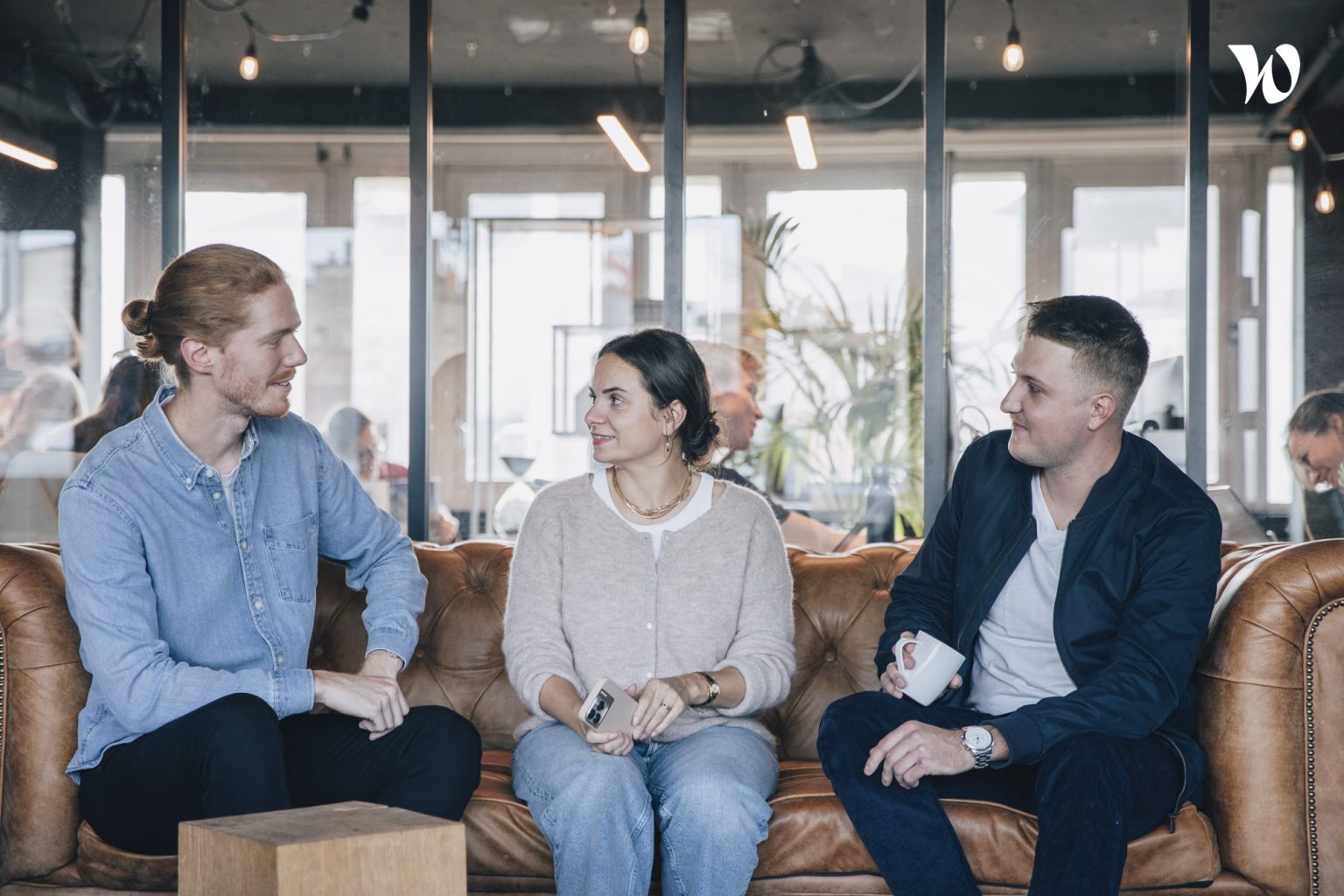
Parella Paris appoints a new partner

Parella Paris appoints a new partner

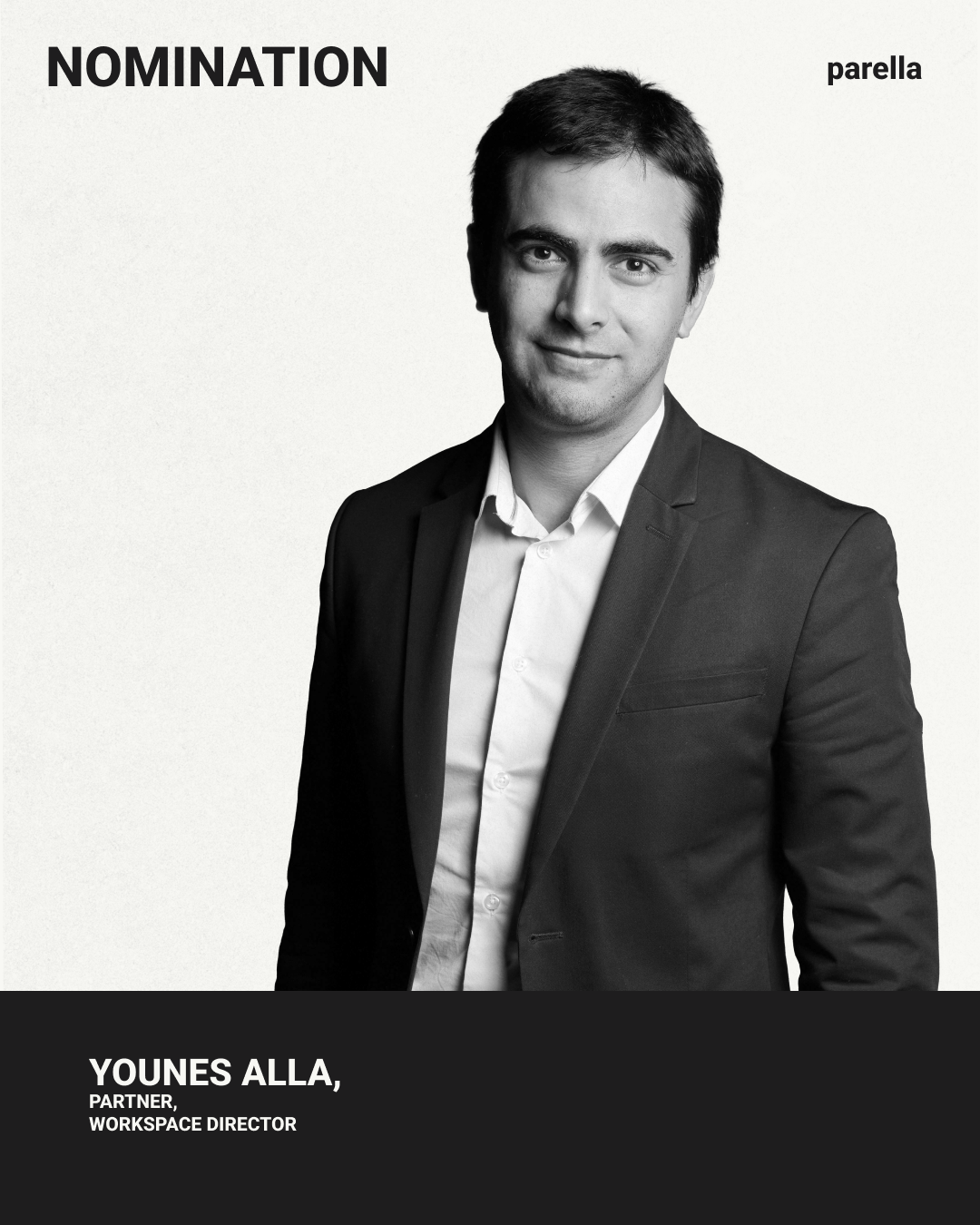
Parella, a leading player in the field of business consulting for real estate and professional space design, announces the appointment of Younes Alla as a partner in its Paris office.

"At Parella, our partnership model is based on high standards, long-term commitment, and a firm belief that the most satisfying careers are built over time. We are delighted to see talented individuals such as Younes Alla grow, expand their scope of responsibility, and become partners in our organization. This internal dynamic is not exclusive: it is greatly enriched by the regular arrival of new partners from outside the firm, who bring complementary perspectives and new experiences and fuel our capacity for innovation. It is this harmonious coexistence of continuity and openness that makes our collective so strong and unique," says Olivier Neuman, president of Parella.

New Partner 2

Younes Alla

Younes joined Parella France's Workspace department in 2015, following a career in various architecture and construction management firms (notably SCAU and JLL). Since then, he has played a key role in the completion of numerous commercial projects, including several complex and landmark operations, carried out on both vacant and occupied sites, in existing buildings or under construction.


His mastery of technical, strategic, and architectural aspects, combined with a global vision of the project, have enabled him to establish himself as a reference in project management as a general contractor (design and construction), construction manager, and construction management assistant. His high standards, sense of teamwork, and ability to ensure the safety of client projects across all sectors make him a natural partner to support the development and excellence of the Workspace division.

You may also like...

Maison et Objet
- Una vez más presente en el salón Maison & Objet, Parella sigue alimentando su reflexión explorando las...
Espacio de oficinas y talentos
- Un entorno de trabajo bien diseñado mejora la satisfacción y el bienestar de los empleados y también...
Oficina saludable: impacto del espacio en la salud de los trabajadores
- El bienestar en la oficina va más allá de la productividad: tiene un impacto directo en la salud física...

WHY SOME STORES RETAIN CUSTOMERS

Why retailers design stores that customers want to stay in

For some large retail chains, the time has come to enter a new era.

While the convenience of e-commerce prevails in terms of speed, brick-and-mortar retail wins the battle of the customer experience, since today the most successful stores are not the fastest or those with the highest transaction volumes, but rather those where customers choose to stay.

Stores retain customers 1

The time spent in a store has long been associated with conversion in terms of sales, but now its role extends to measuring emotional connection, brand recall, and sensory satisfaction. In fact, when customers stay longer, they explore more, engage more deeply, and, most importantly, want to return.

Retailers recognize that people don't just want "things"—yes, sometimes people go to a store to buy something specific and leave right away—but often shoppers take advantage of the opportunity to spend the day and seek out environments that provide them with emotions.

It is this emotional resonance that determines the amount of time spent in the store, but what tools and tactics can we use to create that feeling?

  • Materiality and atmosphere: natural finishes, warm lighting, and soft acoustics give the impression that the spaces have been carefully designed, rather than built for commercial purposes.

  • Breaks: moments to sit down and breathe or take a stroll through the store, encouraging customers to wander leisurely and admire the carefully arranged displays.
  • Sensory balance: aromas (even outside the store), touch, quiet areas, and visual clarity can help counteract digital overload.


  • Telling a story through space: brands that express their identity through materials, layout, and product presentation create environments that feel meaningful rather than generic.


  • Influence of the hospitality industry: from attentive service to comfortable spaces to relax in, the retail sector draws much of its inspiration from the hospitality industry.

Of course, the showroom is not only a challenge in terms of design, but also in terms of delivery, and commercial designs must meet higher standards in terms of finish, durability, and consistency to ensure that the environment remains welcoming long after opening day.

Every detail contributes to the emotional atmosphere of the store, so spaces that provide a sense of well-being are ideal candidates for integration into shoppers' daily habits and weekend rituals. So much so that it could be said that time spent in the store is no longer about retaining customers, but about earning a place in their lives.

This topic is addressed in our latest guide, written in collaboration with IA, entitled "Designing for Dwell(being): Why time, trust, and tangibility define the next era of interiors."

You may also like...

Asesoramiento inmobiliario sin conflictos de intereses
- Cuando tu empresa necesita encontrar una nueva sede o renegociar un contrato de alquiler, normalmente...
Workspace Expo 2026
― The Workspace Expo, a true European hub for design and furnishings, returned to...
JO Paralímpicos: inspiraciones
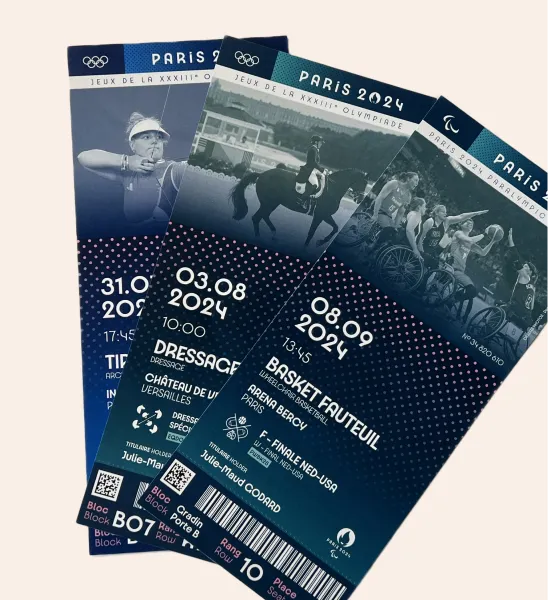
- Este fin de semana recibí mis entradas conmemorativas de los Juegos Olímpicos y Paralímpicos. Esto me...

OFFICES DESIGNED TO PROMOTE WELL-BEING

OFFICES DESIGNED TO PROMOTE WELL-BEING

Hybrid work has transformed offices across Europe.

Most organizations now accept the fact that employees don’t come to the office simply because the space exists, but because it offers them something worth the trip. As a result, “time spent in the office” has quietly become one of the most revealing indicators in workplace design.

However, it is not about keeping employees on the premises longer, but about understanding why they stay there.

Wellness Offices 1

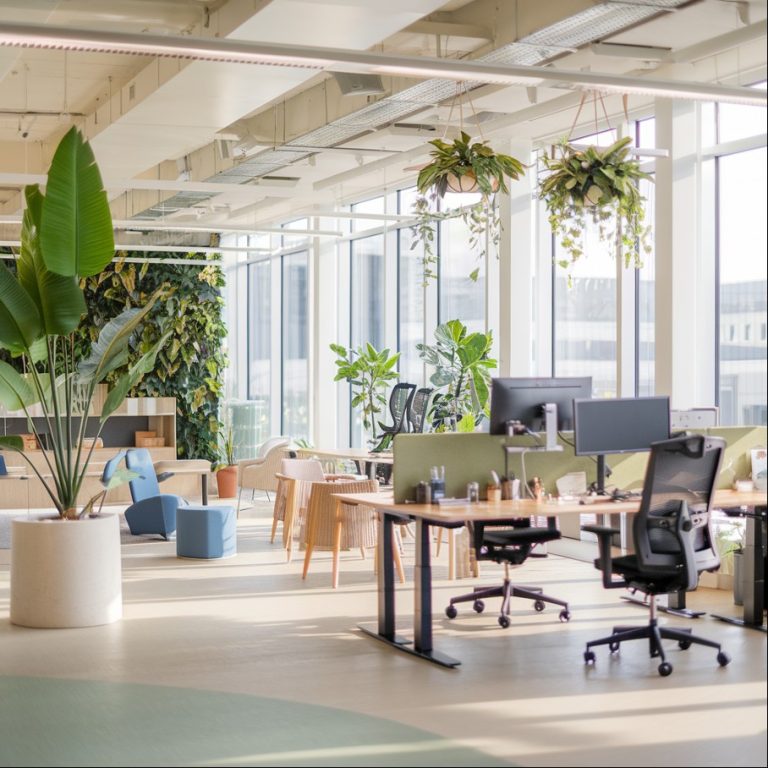
Before 2020, the office was a default location. Today, it is a destination with a specific purpose. Employees choose to go there when this space allows them to perform tasks that they cannot do as effectively at home, such as collaboration, socializing, team building, and intense concentration without domestic distractions.

Time spent at the office reveals when these needs are being met. For example, if coworkers arrive for a meeting and leave immediately, the workplace does not seem to be suitable for ongoing engagement. If people stay after face-to-face sessions to have an informal coffee or use the office as a space for reflection, you can be sure that the environment is fulfilling its purpose.

What motivates people to stay in modern workplaces?

In summary, it is a combination of environmental, emotional, and social factors, which may include:

  • Analog balance: tactile and sensory materials that compensate for intensive screen work take the form of natural textures, soft surfaces, and even biophilic moments.

  • Microhospitality: coffee areas should not be an afterthought, but rather a place that encourages conversation and relaxation. Careful consideration should also be given to the types of seating, as comfort can make the difference between staying or leaving.
  • Flexible areas: relaxation spaces, quiet corners, reading areas, creative spaces, and project rooms that can be adapted to the needs of a hybrid workforce are essential.

  • Analog balance: tactile and sensory materials that compensate for intensive screen work take the form of natural textures, soft surfaces, and even biophilic moments.

  • Microhospitality: coffee areas should not be an afterthought, but rather a place that encourages conversation and relaxation. Careful consideration should also be given to the types of seating, as comfort can make the difference between staying or leaving.

Well-being at work has gone from being a simple perk to becoming a goal in itself, as neuroscience and environmental psychology constantly highlight the impact of materials, light, acoustics, and sensory comfort on cognitive performance and emotional well-being. If the office does not promote well-being, employees will not stay there and will not want to return day after day.

Even the best workplace strategy can fail if its implementation is mediocre. That's why organizations that design their spaces with the goal of fostering intentional presence, rather than achieving attendance targets, will naturally create spaces that attract people for the right reasons.

This topic is addressed in our latest guide, written in collaboration with IA, entitled "Designing for Well-Being: Why Time, Trust, and Tangibility Define the Next Generation of Interiors."

Wellness Offices 2
© Ceremony of Roses Offices by 22RE

You may also like...

Asesoramiento inmobiliario sin conflictos de intereses
- Cuando tu empresa necesita encontrar una nueva sede o renegociar un contrato de alquiler, normalmente...
ART IN THE OFFICE
― I deeply believe that art has that power: to transform the perception of a space, to stimulate...
Parella Paris appoints a new partner
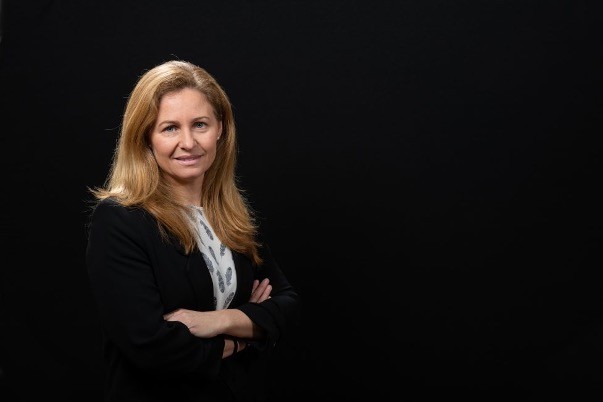
― "This appointment reflects the high ambitions of our Paris office, as well as the strength of...

THE TIME SPENT IN COMMERCIAL INTERIORS

Why "dwell time" has become the new mantra in commercial interiors

For years, dwell time has been a common metric in retail—a simple equation that links “time spent” to the “probability of purchase.”

However, in recent years, dwell time has evolved into something much more powerful: a measure of emotional connection, comfort, and a sense of belonging.

Length of Stay 1

Over the last decade, environments have been optimized for speed. Smooth digital journeys, one-click transactions, agile workplaces. However, human behavior has changed, and both consumers and coworkers are now looking for spaces that allow them to slow down and, at the same time, offer them a respite, a tactile dimension, and a space to form authentic connections.

Length of stay 2 / Analog spaces 2
© Ceremony of Roses Offices by 22RE

As highlighted in Deloitte's study on consumer trends for 2025, people are increasingly attracted to sensory and analog experiences that counteract digital overload. For example, retail is shifting from an organizational structure to experiential flagship stores that encourage exploration and social relationships. We are seeing workplaces rethink their purpose, with the time spent in them becoming an indicator of commitment, belonging, and well-being. And the hospitality industry, which has always been the benchmark for emotional connection, continues to set the standard for comfort, service, and design.

However, living space is not just the result of design, but rather the result of design and execution: the quality of the carpentry, the responsiveness of the lighting, the acoustic softness, and the comfort underfoot. And, to top it all off, trust between architects, clients, and contractors is the secret ingredient that ensures the vision becomes a lived experience.

Square footage, financial plans, and schedules are still essential, but the spaces that will succeed are those that respect people's time and will be rewarded with more time. For more information, see our latest guide, "Designing for Well-Being: Why Time, Trust, and Tangibility Define the Next Era of Interior Design."

You may also like...

Espacio de oficinas y talentos
- Un entorno de trabajo bien diseñado mejora la satisfacción y el bienestar de los empleados y también...
Neurodiversity in Design
― For years now, workplace design has focused on collaboration, culture, and experience....
Perspectivas y transformación del panorama laboral en España
- El panorama laboral en España, al igual que en Europa, ha experimentado cambios profundos e importantes...

THE HEYDAY OF ANALOG SPACES

The rise of analog spaces: why the future seems more human

The last decade has been marked by the acceleration of digitalization. Artificial intelligence, automation, and virtual environments are transforming the way we work, shop, and socialize, but as the world speeds up, the places people go are slowing down.

From plaster applied with a trowel to natural light, through imperfect textures, analog details become a guarantee of quality. People are tired of frictionless spaces that all look alike. They want contrast, authenticity, and tactility.

Length of stay 2 / Analog spaces 2

The Healthy Buildings team at Harvard points out that sensory richness is closely related to well-being, cognitive concentration, and emotional satisfaction, all of which are indicators of environments where people want to spend time. But why is analog so important today?

The answer may lie in your ability to:

  • Anchor people in reality.

  • Offer a sensory contrast to life spent in front of screens.

  • Reduce cognitive fatigue.

  • Encourage presence and pause.

  • Create emotional memories.

In retail, this often translates into minimalism and honesty in materials, while workplaces feature warm, comforting finishes, soft acoustics, and nature-inspired design. In the hotel sector, this has long been the norm. However, the common theme is that, in 2026, analog is not nostalgic, but necessary.

And this is the theme that runs through our latest guide, written in collaboration with IA, "Designing for Dwell(being): Why time, trust, and tangibility define the next era of interiors."

You may also like...

Parella Paris appoints a new partner
― "This appointment reflects the high ambitions of our Paris office, as well as the strength of...
JO Paralímpicos: inspiraciones
- Este fin de semana recibí mis entradas conmemorativas de los Juegos Olímpicos y Paralímpicos. Esto me...
OFFICES DESIGNED TO PROMOTE WELL-BEING
― Before 2020, the office was a default location. Today, it is a destination with a specific purpose...

ART IN THE OFFICE

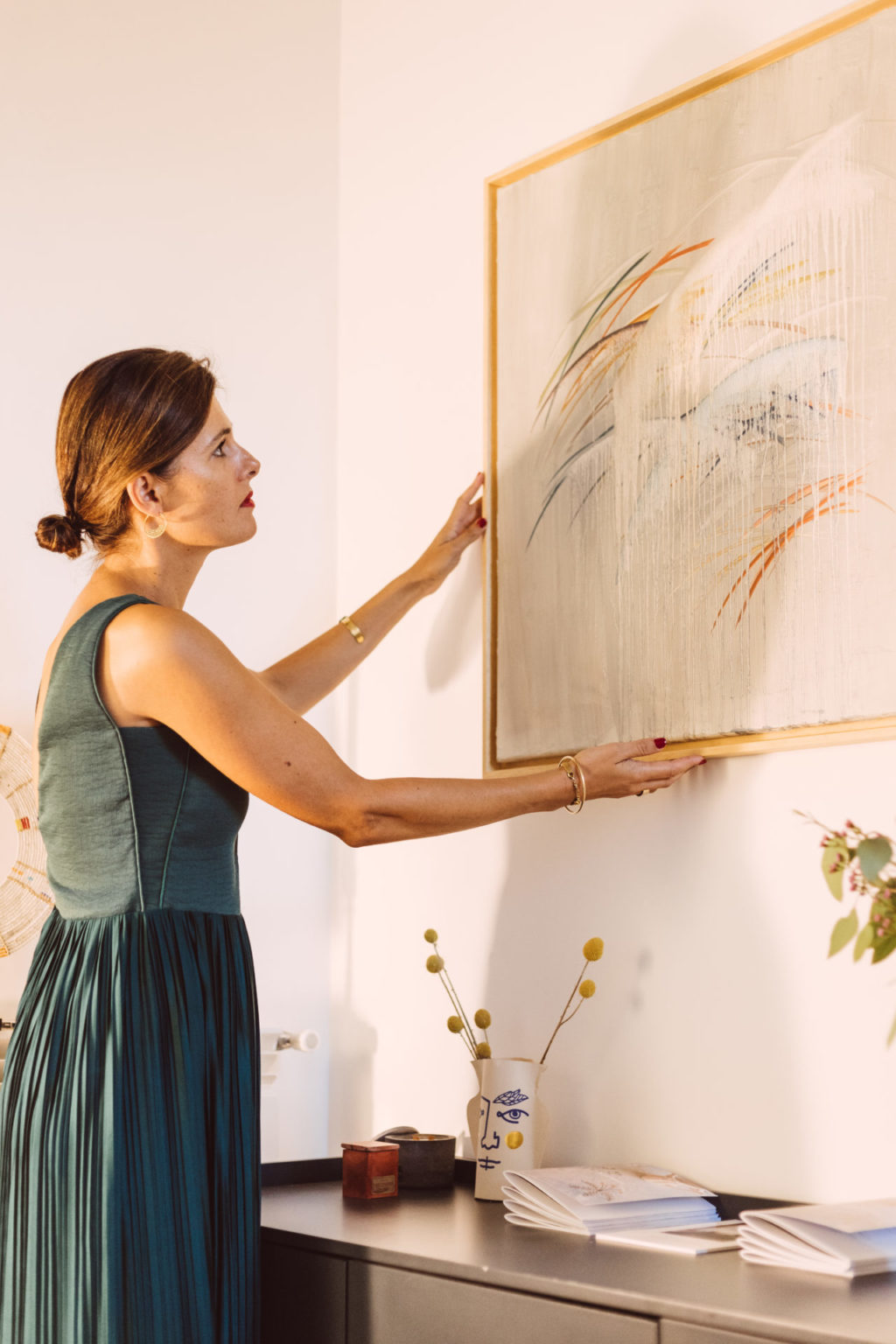
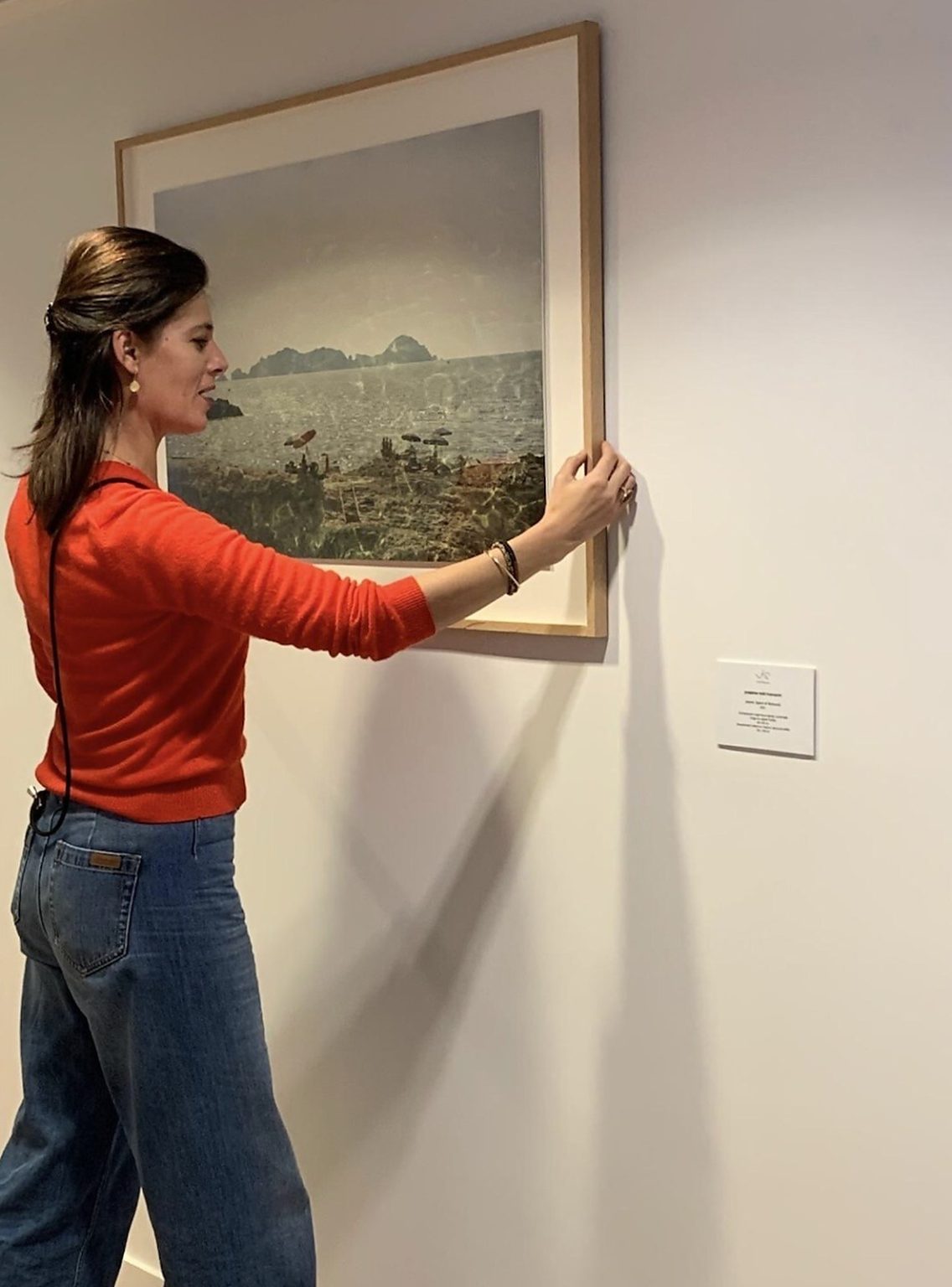
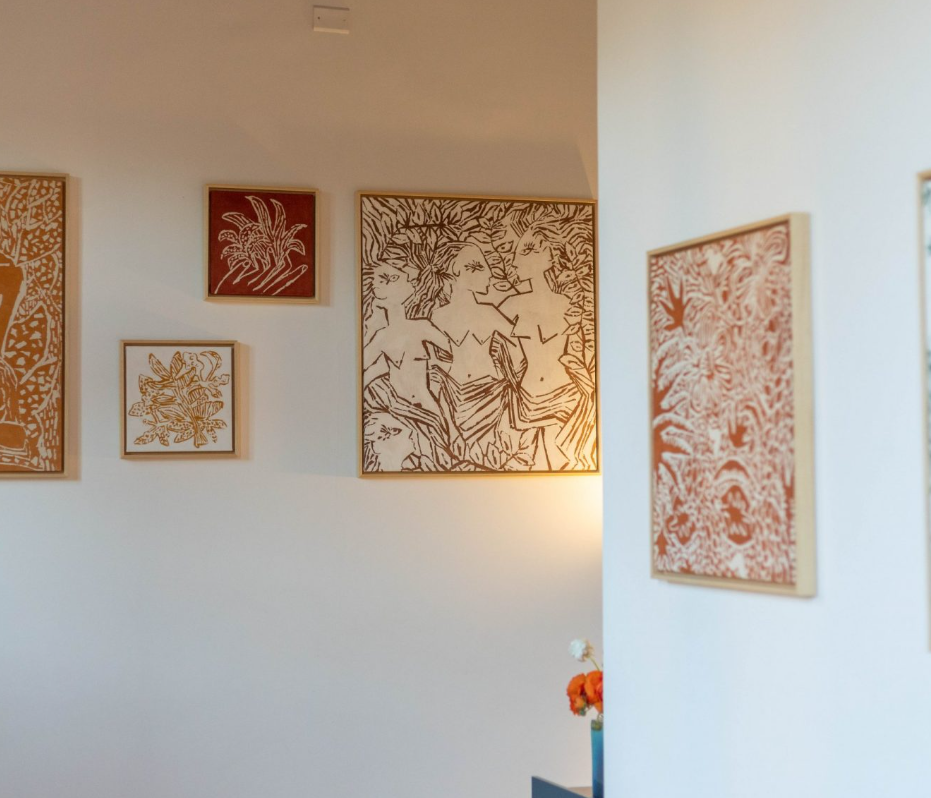
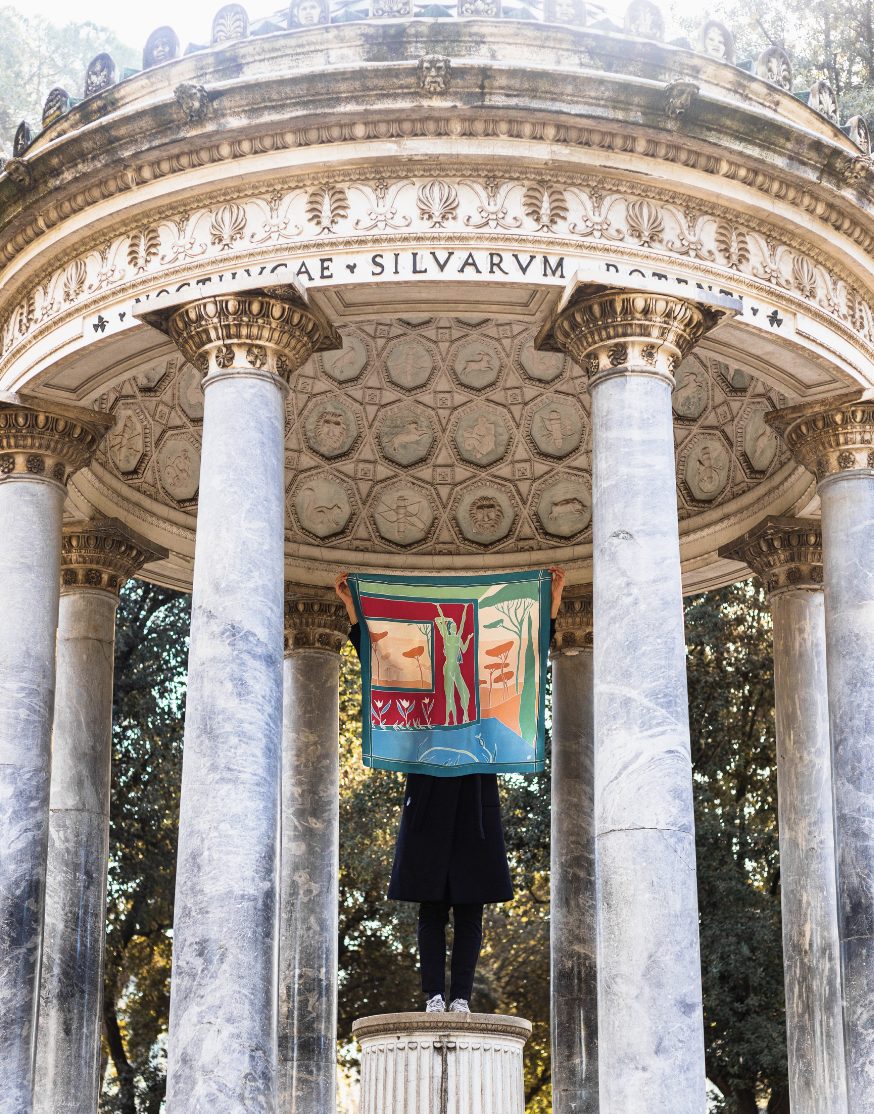
Art in the Office: When Art Brings Life to Spaces

 “An adventure in which every project becomes an encounter… and in which beauty is always the common thread.” 

TRAJECTORY AND VISION

1. Could you tell us about your career and what led you to found the LDG Art & Patrimoine gallery?

I’ve always been fascinated by the way art can transform a place… and the people who visit it.

After studying art history and specializing in the art market at the École du Louvre, I was fortunate enough to have wonderful experiences in Rome and Paris, working in galleries, on curatorial projects, and, above all, through encounters with incredibly talented young artists.

One day I asked myself: What if we reimagined the way we experience a work of art?
Not just hanging it on a white wall. But a true dialogue: between the artwork, the architecture, the history of a place, and the daily lives of those who live there.

That’s how LDG Art & Patrimoine was born—a nomadic gallery where I combine my passion for curating with custom projects for both businesses and individuals.

An adventure in which every project becomes an encounter… and in which beauty is always the common thread.

2. What inspired you to create a dialogue between art, architecture, and professional spaces?

Architecture creates the framework… and art is its soul.

I envisioned my first exhibitions in Rome, a city where every stone and every facade tells a story. There, heritage and architecture are not merely a backdrop; they become a source of inspiration, a true showcase for contemporary art.

I firmly believe that art has this power: to transform our perception of a space, to stimulate creativity, and to enrich our daily lives.
When art and architecture engage in dialogue, something magical happens. We are no longer talking only about function, but about life, emotion, and presence.

I have been fortunate enough to exhibit artists’ work in a wide variety of venues, ranging from private, intimate spaces to corporate offices.

But in every case, the idea is the same: to bring beauty to the places where we spend most of our time.
Because a place can be functional, yes… but when art is woven into it, it comes to life. And it often surprises us. It fills us with wonder.

3. What are your main goals and those of your gallery today?

My role is twofold: on the one hand, I assist companies and individuals in selecting and integrating artworks that are suited to their space and identity; on the other hand, I support and promote artists by connecting them with projects that are meaningful to them and to the location.

Art in the office 1
Art in the office 2
© LdG Art & Heritage

Artistic strategy

1. Why does integrating art into office spaces go beyond mere decoration?

Art enhances workspaces. From an aesthetic point of view, art allows spaces to be enhanced, creating a unique atmosphere and bringing soul to a workplace that is often too impersonal and standardized.

Art transforms the sensory and emotional experience of a place. It creates connections, arouses curiosity, and can even positively influence the creativity and well-being of employees. It is not just a matter of "filling a wall," but of adding depth and meaning to the professional environment.

2. What are the essential criteria for selecting a work or artist for a design project?

The work must dialogue with the architecture, the history of the place, and the DNA of the company. But it is also necessary for the artist to have a sincere approach and for their proposal to open up a space for reflection or emotion for those who live or work in that place.

Art, architecture, and identity of places

1. Your approach is closely linked to the architecture and history of places. How does this influence your work as a curator?

Each space has its own identity, proportions, and atmosphere. My job is to listen to these characteristics and find works that complement them or create a poetic contrast. The history of a place is an incredible source of inspiration for creating a rich dialogue.

2. How do you get a work to dialogue with a company's identity, its DNA, or its architectural concept?

I always start by understanding the company: its culture, its values, its positioning. Then I look for works that embody these traits and can enrich the experience of employees and visitors, playing with light, color, volumes, and spatial arrangement.

3. Do you have any specific examples of a project in which art has truly transformed the perception of a space?

For example, in a recent project for an innovative company, we created a masterful and immersive work for their lobby in the form of a glass and brass suspension, around which the viewer can move, losing touch with the real world, and we placed photographs on the walls of the other spaces. These works change the perception of open spaces and break areas. Employees begin to interact differently with their environment, and visitors are very surprised and enthusiastic.

Art in the office 3
© LdG Art & Heritage
Art in the office 4
© LdG Art & Heritage

CSR, commitment, and employee experience

1. Can art be a lever for strengthening corporate culture and creating bonds between employees?

Of course.
Art is, above all, a means of creating bonds between people.
It is a vector for encounters, exchanges, and conversations that might never have taken place otherwise.

When a company integrates art into its spaces, it offers its employees, customers, partners, and others a unique opportunity: to exchange opinions in a different way, to step outside the hierarchical framework, to talk about things other than figures or files.

Because art is a universal language.
It opens up dialogue, stimulates creativity, and promotes inclusion.
A work of art becomes a meeting point, a topic of conversation, a source of shared inspiration.
And then there is the encounter with the artists.
Exchanges, visits to workshops, mediation tools... all of this makes art accessible, even to those who consider themselves "uninitiated."
We no longer settle for just looking at a work: we discover its technique, its process, its intention.

And that's where the magic happens.
Because that shared moment, between emotion and curiosity, touches something deeply human.
When faced with art, we feel alive.


2. How can companies reconcile artistic patronage, social responsibility, and the appeal of their spaces?

Well, it all starts with meaning.
By supporting emerging or local artists, integrating sustainable and eco-friendly works, or simply making their spaces more pleasant and inspiring for everyone.
And then, nothing can replace meeting in person: I often encourage companies to go and see the artists, to visit their studios. Because that's where the connection is born, the mutual understanding and, ultimately, the pride in being associated with an artistic initiative.

Art is much more than a decorative object.
It's a way of expressing what the company is, its values, its worldview.
It is a responsible investment that demonstrates an open mindset and clearly sets you apart from your competitors.
When we enter a place where there is art, we immediately feel an identity, an atmosphere, an extra touch of soul.

And what's more, there is a real social mission behind it all.
Exhibiting works of art means participating in the democratization of culture, encouraging creativity, and offering emotions to those who live or work in these spaces.
Art brings pleasure, well-being... and often a real boost of creativity for teams.

And best of all: it's also tax-efficient.
A company that purchases an original work by a living artist to display to the public can deduct the purchase price from its taxable income.
There is one condition: the work must be visible free of charge for at least five years, in a place accessible to the public or employees.
In other words, it's good for culture, for employees, for image... and for finances!


3. Have you noticed any changes in the way employees and visitors perceive art in the office?

Yes, art is increasingly perceived as a strategic element rather than a decorative one. Employees appreciate initiatives that enrich their daily lives, and visitors expect to find spaces that reflect the creativity and identity of the company.

Furthermore, in a work environment, brains activate, calculate, and organize; when faced with a work of art, it is the heart that awakens and emotions that speak. I believe that employees and visitors cannot help but be sensitive to this proposal, which may touch their souls a little.

I see increasing interest in companies and liberal professions (law firms, doctors, etc.). Some of the bosses are already personally attracted to art and, in some cases, are collectors. They like to surround themselves with art, and this transcends the private sphere to extend into the professional sphere.

Collaboration with Parella

1. You are starting a collaboration with Parella on an artistic integration project. What attracts you to this approach?

I was fortunate that Parella called me to accompany them in their art curation offer for companies. Their ability to create immersive and personalized experiences fits perfectly with my vision: a project in which art and architecture come together to transform space.

2. How do you see the complementarity between your experience and that of Parella?

LDG Art & Patrimoine provides the artistic selection and knowledge of the artists, while Parella masters the spatial experience and technical integration. Together, we can create coherent and impactful projects.

3. In your opinion, what does a well-thought-out artistic approach bring to a real estate or urban planning project?

It enriches the space, creates an emotional connection, enhances the company's image, and offers users a unique experience that goes beyond mere functionality.

Art in the office 5
© LdG Art & Heritage
Art in the office 6
© LdG Art & Heritage

Trends and future of art in business

1. What major trends do you see emerging today in the integration of art into workspaces?

Immersive, interactive, or modular art that invites participation and reflection; sustainable and responsible art; and collaborations with emerging artists to make each space unique.

2. How do you imagine the office of the future in terms ofartisticexperience
?

As a flexible and lively place, where art evolves with its uses, stimulates creativity and encounters, and becomes an integral part of the company's identity.

3. Finally, if you had to give one piece of advice to a company wishing to embark on an art curation project, what would it be?

Take the time to understand your identity and that of your employees, and then choose works that create a real dialogue with the space and the people who inhabit it. I can accompany you in your approach, from the choice of works to installation and communication.
Final question

If your gallery were a work of art, what would it be?

I have a special fondness for Alberto Giacometti's work "The Walking Man." With its elongated, fragile, and almost delicate form, it evokes deep emotions related to the human condition. It conveys the vulnerability, loneliness, and fragility of man, but also his silent strength and perseverance. Despite its apparent fragility, the sculpture exudes a subtle strength: the man continues to move forward, reflecting resilience and courage in the face of adversity. This duality between fragility and determination creates an emotion that is both melancholic and inspiring, inviting contemplation and reflection on existence. An optimistic and meaningful work that has marked the history of art.
It is also an immersive work that can be surrounded, a sculpture that can be touched.

Art in the office 7
© LdG Art & Heritage

You may also like...

Paris Design Week 2025
- Para esta 15.ª edición, la capital se transformó durante diez días en un laboratorio vivo de tendencias,...
Asesoramiento inmobiliario sin conflictos de intereses
- Cuando tu empresa necesita encontrar una nueva sede o renegociar un contrato de alquiler, normalmente...
PARIS ART WEEK
― Our teams immersed themselves in the heart of an inspiring ecosystem, deeply rooted in our lives...

PARIS ART WEEK

Paris Art Week: Art to Enhance Your Spaces

For a week, galleries, fairs, and performances brought the capital to life.

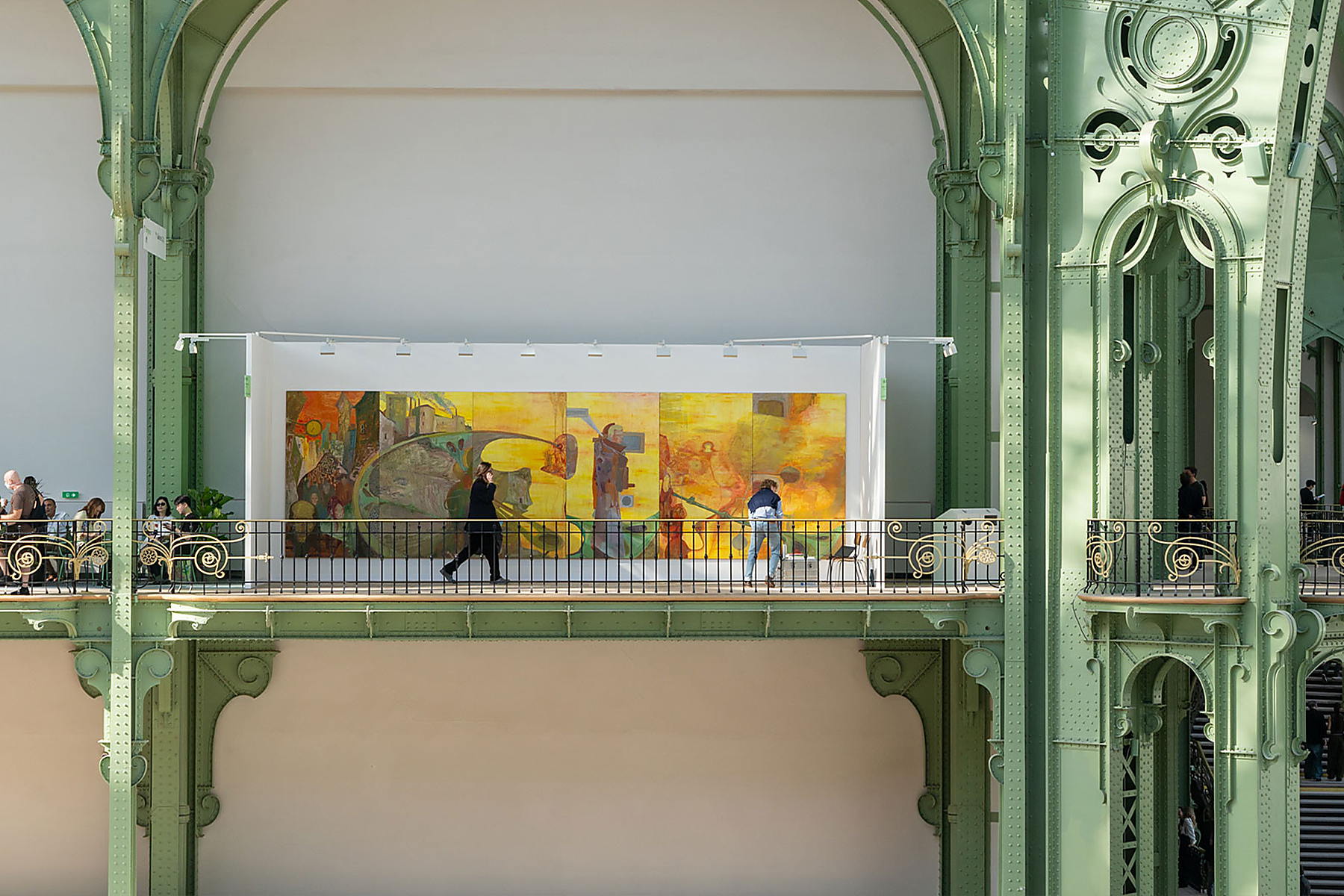
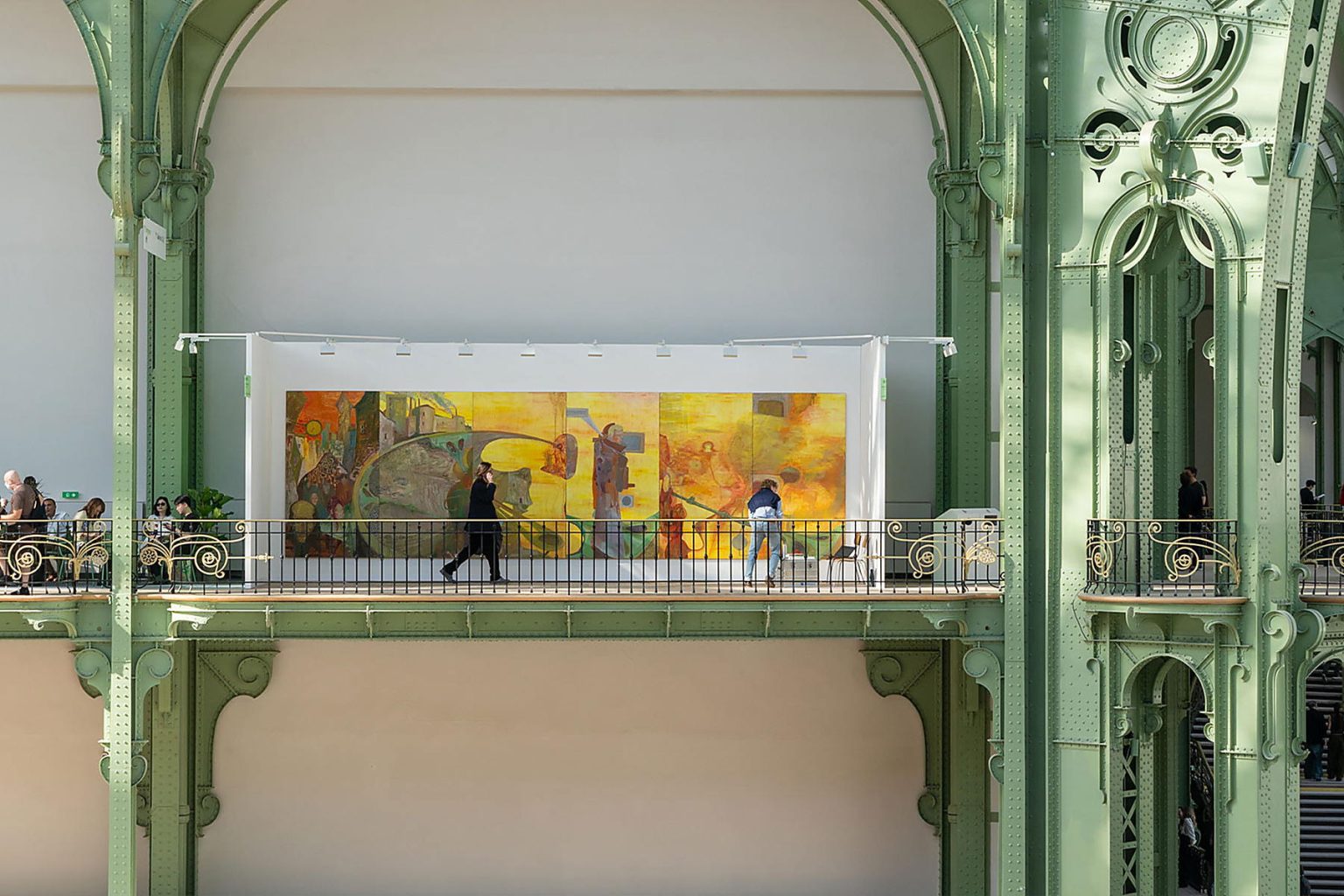
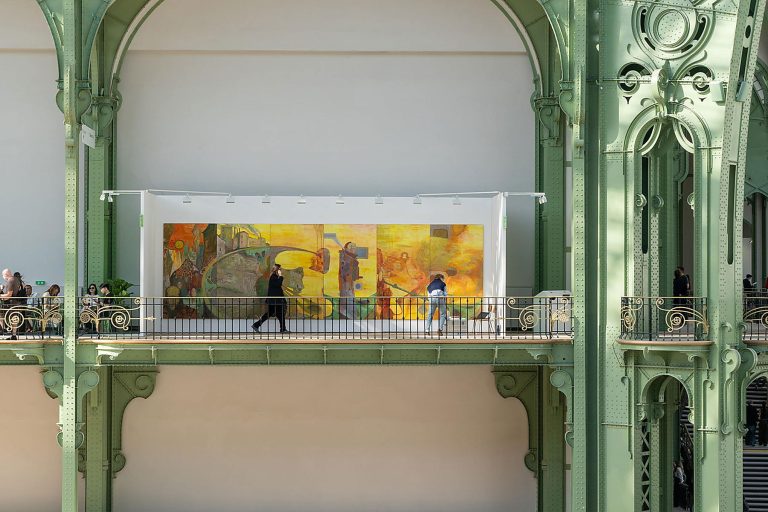
Between the second edition of Art Basel Paris, under the majestic glass roof of the Grand Palais, and the first edition of MaSH Matignon Saint-Honoré, our teams immersed themselves in the heart of an inspiring ecosystem, rooted in our daily lives in the 8th arrondissement.

Under the patronage of Pierre Yovanovitch, MaSH brought the Faubourg Saint-Honoré to life: 37 galleries, simultaneous openings, and urban performances transformed the neighborhood into an open-air art walk.
A vibrant experience, perfectly in tune with Parella's philosophy: to evolve in a place where the heart of art beats.

Paris Art Week 1
Paris Art Week 2
Parella

Nuestros favoritos Parella

During this week marked by creativity, we have discovered bold, poetic, and inspiring worlds.
Here are some of the highlights of our journey:

  • The 20/21 Marquee Week exhibition at Christie's Paris, the highlight of the international calendar, enhanced by a monumental monochrome by Yves Klein.

  • The selection of "10 favorite works" imagined by Pierre Yovanovitch, combining elegance, audacity, and sensitivity.

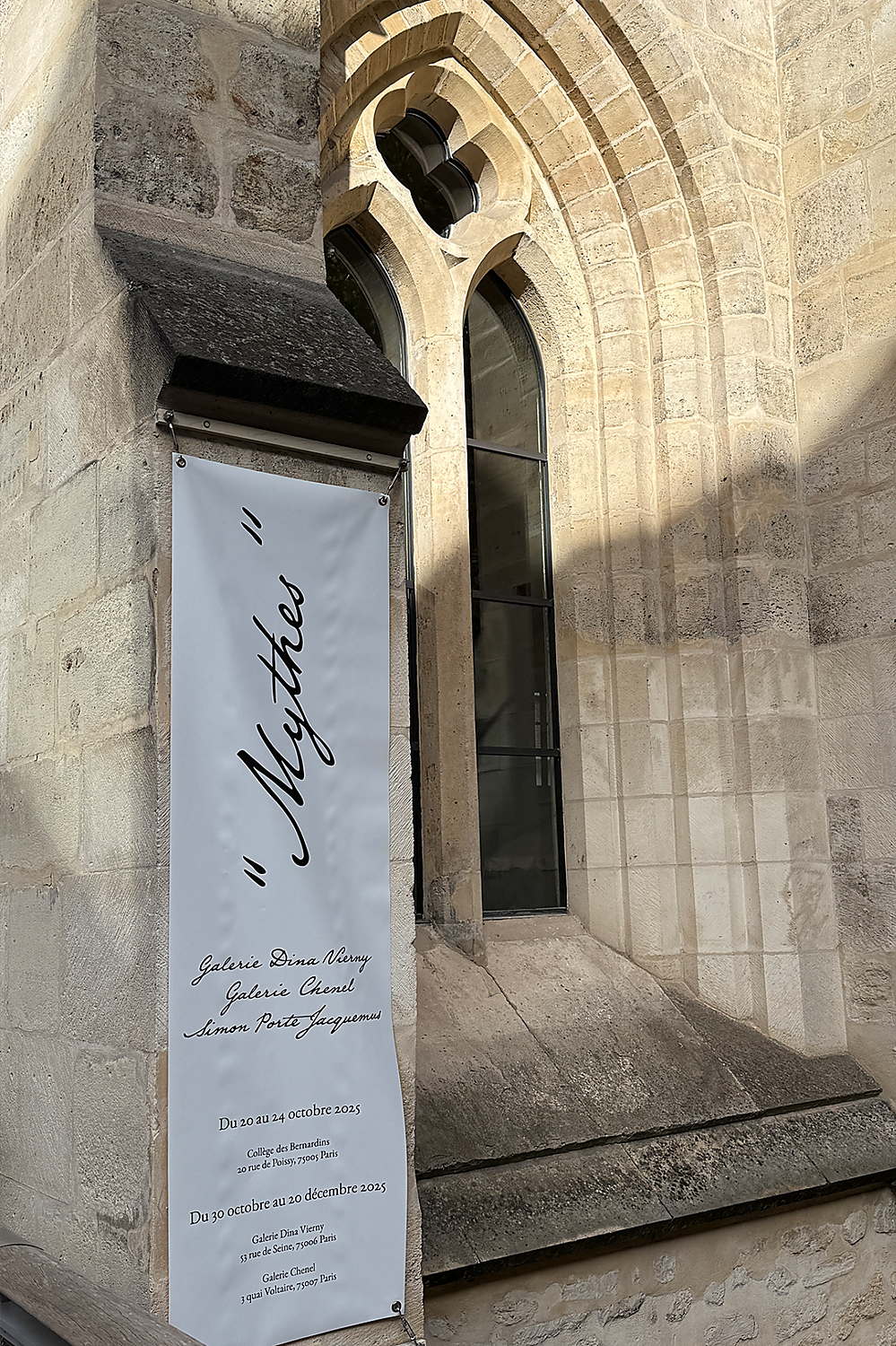
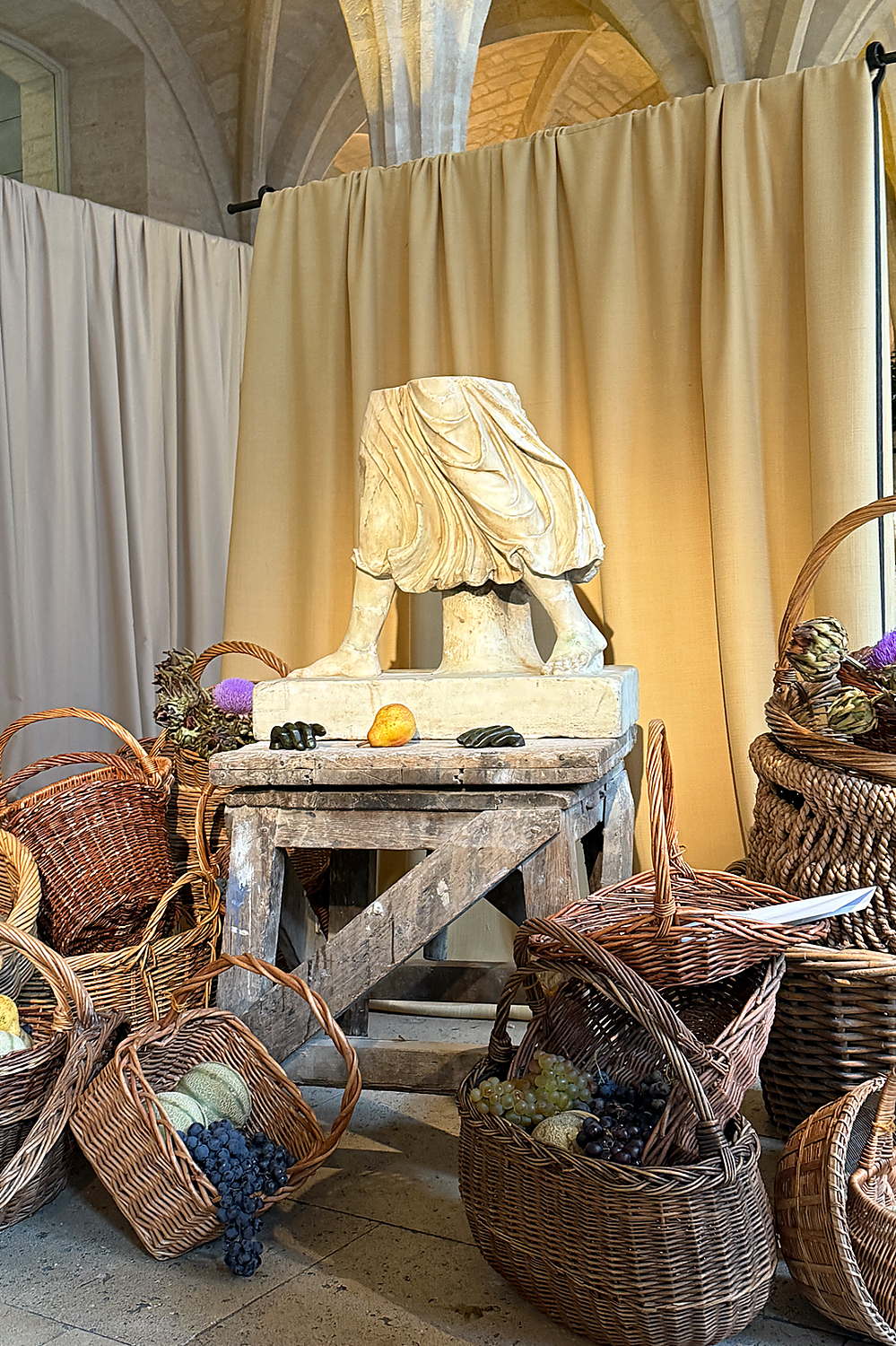
  • The exhibition "Myths" by Simon Porte Jacquemus at the Collège des Bernardins, where ancient sculptures and works by Aristide Maillol elegantly interact in a setting designed by Galerie Chenel and Galerie Dina Vierny.

  • Yoann Bourgeois' immersive performance, where poetry and movement meet in urban space, offering an unprecedented sensory experience.

¿Y para Parella?

For Parella, this artistic immersion fuels a firm conviction: art is a driver of experience and connection.
Integrated into professional environments, it transcends simple decoration to become a vector of emotion, creativity, and performance.

We design spaces inspired by this energy: sensitive places, carriers of meaning and identity, where art dialogues with use. Because offering everyone an inspiring environment also promotes encounters, reflection, and well-being in everyday life.

Paris Art Week has once again demonstrated that the future of our work environments is nourished by this essential alliance between art, design, and human beings.

Paris Art Week 3
Parella

You may also like...

WHY SOME STORES RETAIN CUSTOMERS
― For some large retail chains, the time has come to enter a new era.
Maison et Objet
- Una vez más presente en el salón Maison & Objet, Parella sigue alimentando su reflexión explorando las...
THE HEYDAY OF ANALOG SPACES
― Our teams immersed themselves in the heart of an inspiring ecosystem, deeply rooted in our lives...

Matter Meeting 2025

Parella at the center of the 11th edition of Rendez-Vous de la Matière by FORMÆ

An unmissable event for those involved in creation and innovation.
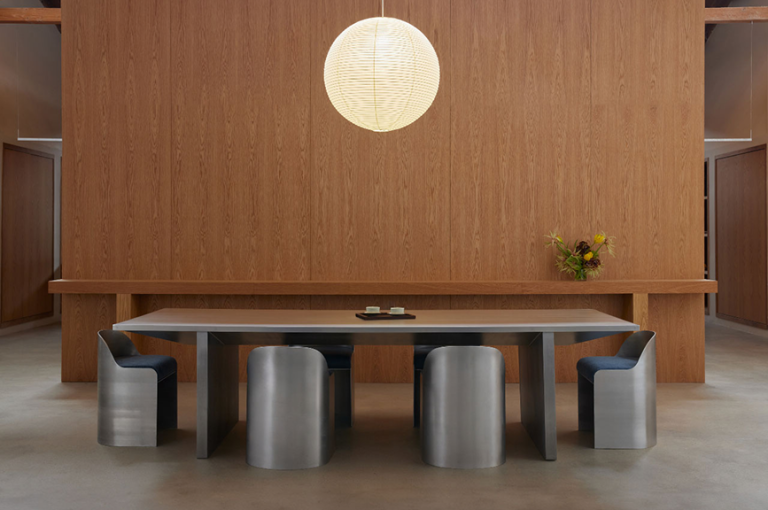
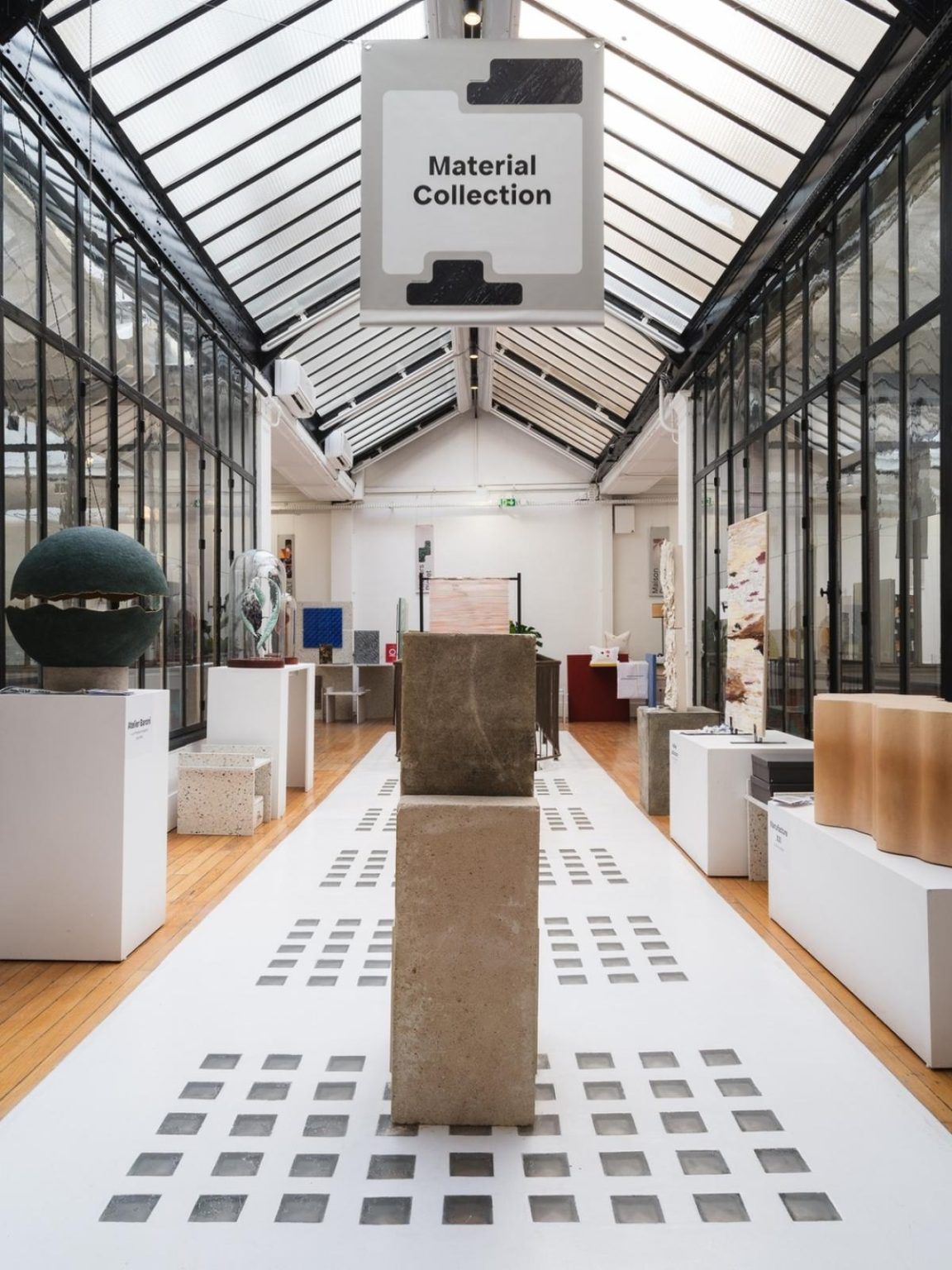
On October 9 and 10, 2025, Parella participated in the 11th edition of Rendez-Vous de la Matière, organized by FORMÆ at the Carreau du Temple in Paris.
This exhibition, a veritable laboratory of creativity and innovation, has become in just a few years a benchmark event for architects, designers, artisans, luxury brands, and real estate developers seeking new inspiration.
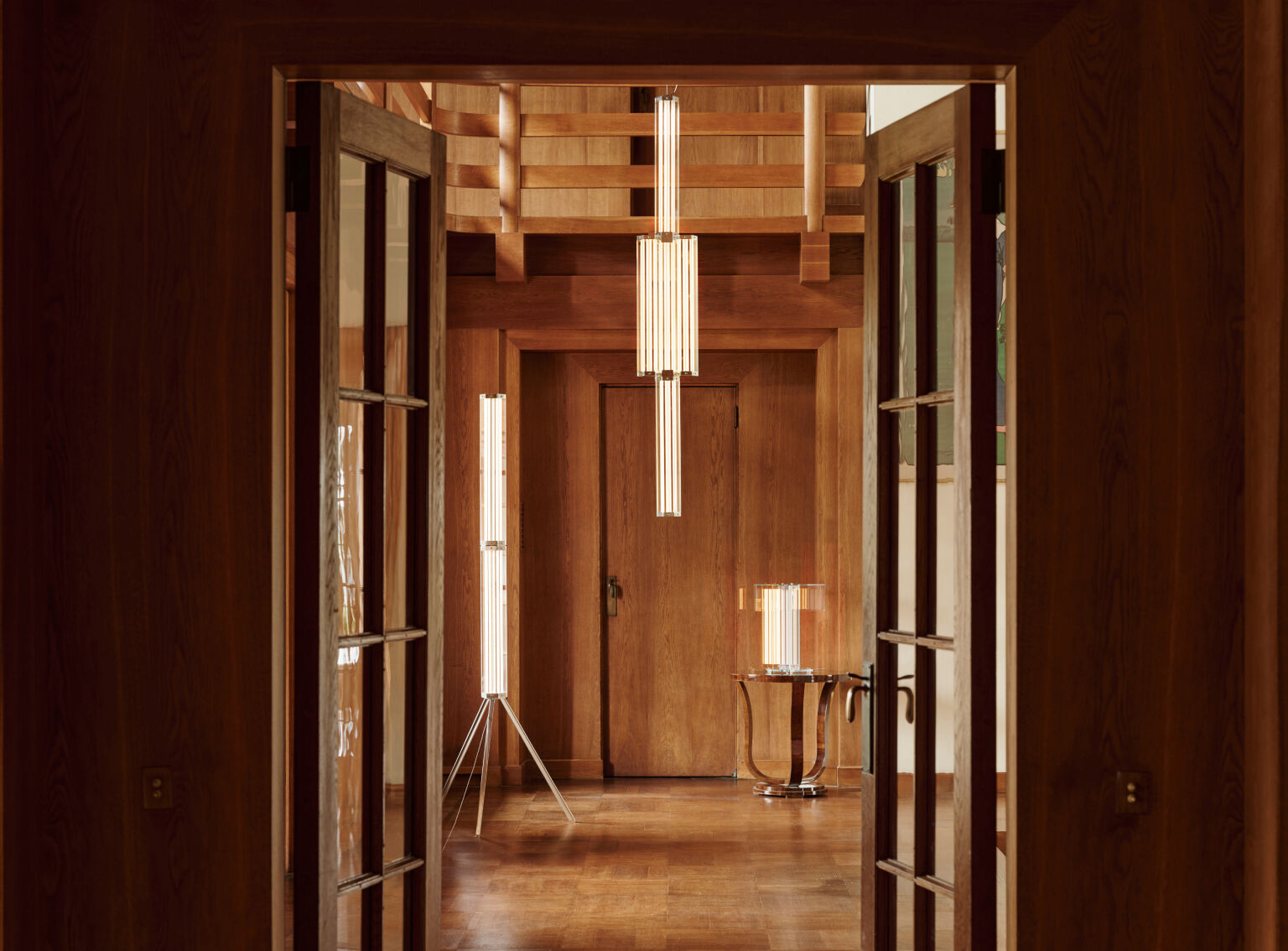
With more than 100 selected exhibitors, an immersive setting designed by Pauline Leprince, and 7,000 professional visitors, the 2025 edition confirmed the fair's role as a leading platform for materials and contemporary design.
Appointment subject FORMAE1
Juan Jerez

Contemporary design and "collectible design" in the spotlight

Among the most notable new features, FORMÆ inaugurated a space dedicated entirely to contemporary design and "collectible design," where young talents and established designers were able to discuss the creation of unique objects at the intersection of art and furniture.
This new sector is positioned as a privileged testing ground, reflecting the latest aesthetic and functional trends.

FORMAE 2 material appointment
©Flos
FORMAE 3 material appointment
©Anna Muller

The FORMÆ Award: excellence rewarded

Another highlight of the fair: the first edition of the FORMÆ Award, chaired by Jean-Michel Wilmotte and Sébastien Maschino, showcased the most innovative projects.

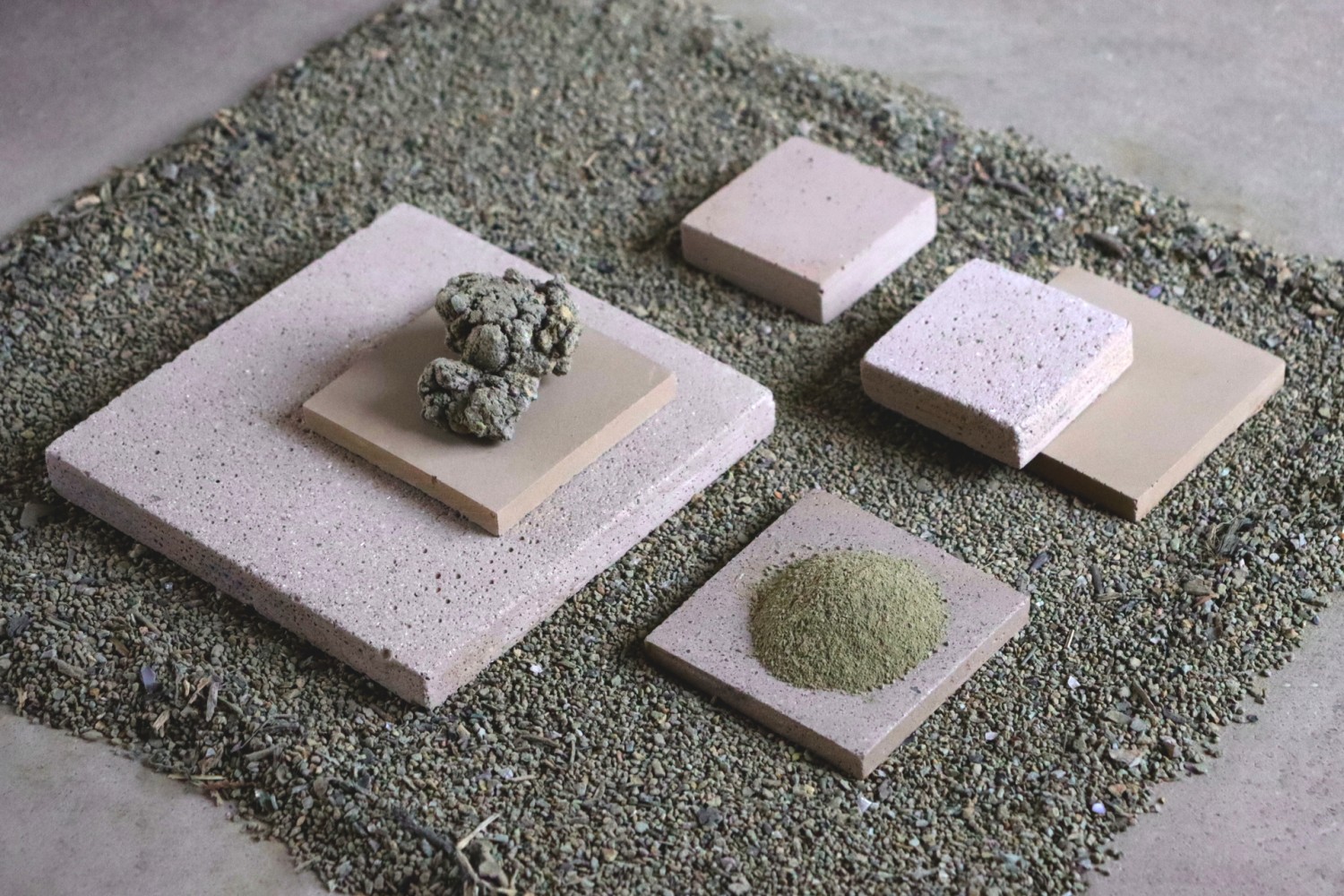
  • Premio Manufactura: awarded to Gwilen, founded in Brest by Yann Santerre, for its transformation of marine sediments into sustainable, low-carbon mineral material.

  • Savoir-Faire Award: awarded to Ateliers SP by Élise Blouet-Ménard, for the contemporary reinterpretation of straw marquetry by designer Marianne Brisville.

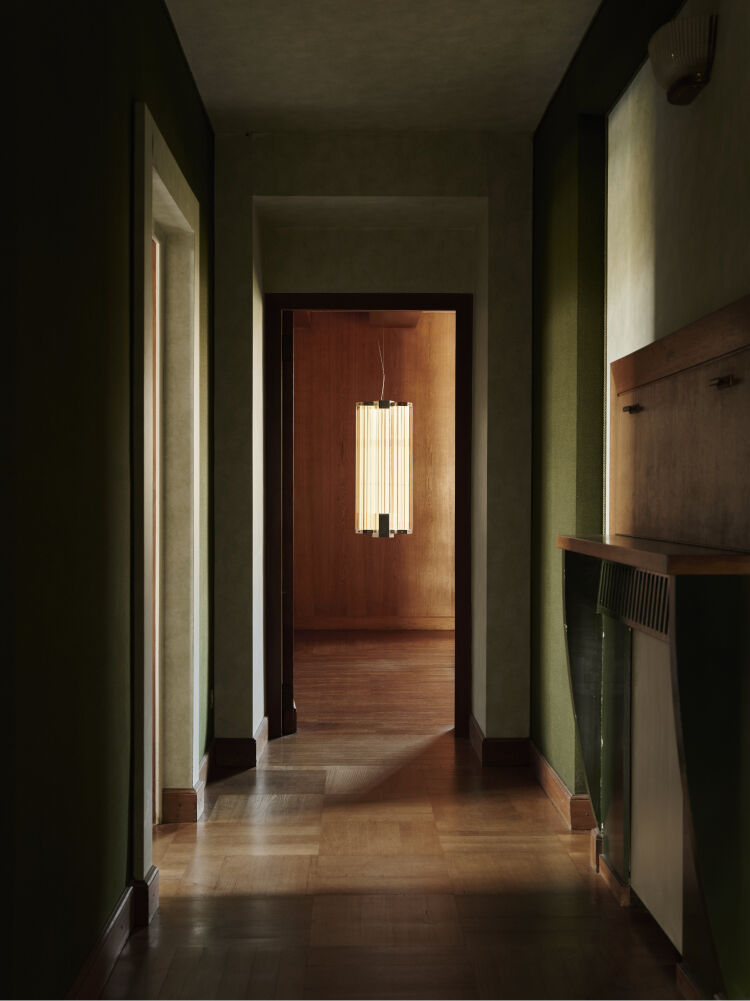
  • Design Award: awarded to Flos for SuperWire, a modular lighting collection designed by Forma Fantasma, combining technological innovation and timeless elegance.

The trophies, designed by Jean-Michel Wilmotte and produced by COGITECH, perfectly symbolize the fusion of craftsmanship and avant-garde design.

Parella, in search of tomorrow's materials and emotions

Under the glass roof of the Carreau du Temple, Parella's teams explored the textures, materials, and shapes that will shape the workspaces of the future.
This immersion continued with the discovery of "Onze," a perfume for architecture created by Jean-Michel Wilmotte and Emmanuelle Grin, a true bridge between sensory design and spatial design.

This fair was a moment of collective inspiration for our architects, designers, and consultants, reinforcing our commitment to imagining sustainable, inspiring, and meaningful environments.

FORMAE 4 material appointment
©Flos
FORMAE 5 material appointment
©Gwilen

In conclusion: matter as a driver of transformation


Through curiosity, collaboration, and experimentation, we continue to redefine the way we conceive and experience professional spaces.

You may also like...

Perspectivas y transformación del panorama laboral en España
- El panorama laboral en España, al igual que en Europa, ha experimentado cambios profundos e importantes...
Espacio de oficinas y talentos
- Un entorno de trabajo bien diseñado mejora la satisfacción y el bienestar de los empleados y también...
JO Paralímpicos: inspiraciones
- Este fin de semana recibí mis entradas conmemorativas de los Juegos Olímpicos y Paralímpicos. Esto me...
Article Office Paper

OFFICE PAPERS

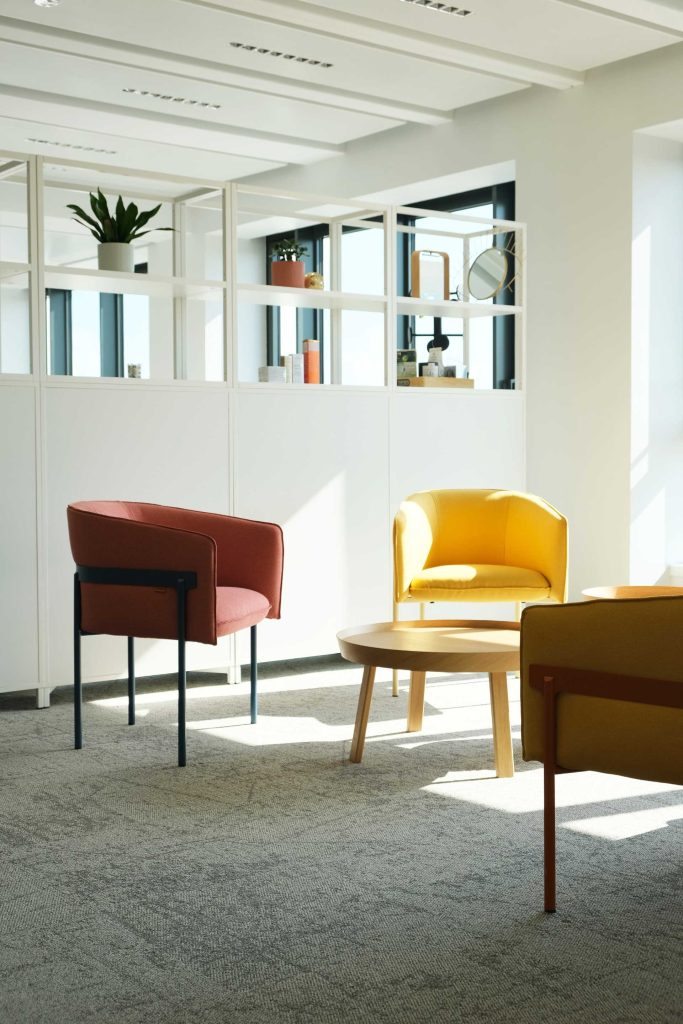
Pequeño salón con sillones rojos y amarillos, mesa baja de madera clara, en NAOS, por Parella.

GRACIAS

Su mensaje se ha enviado correctamente.
¡Le responderemos muy pronto!