The rise of analog spaces: why the future seems more human
The last decade has been marked by the acceleration of digitalization. Artificial intelligence, automation, and virtual environments are transforming the way we work, shop, and socialize, but as the world speeds up, the places people go are slowing down.
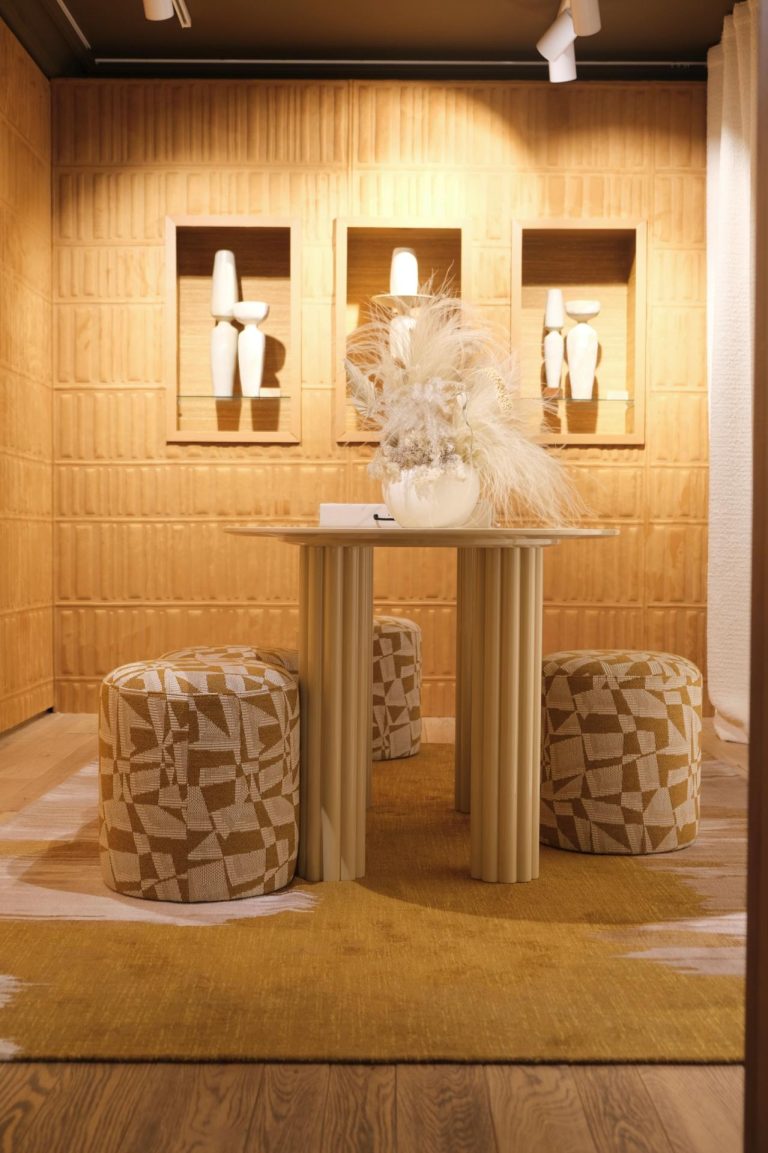
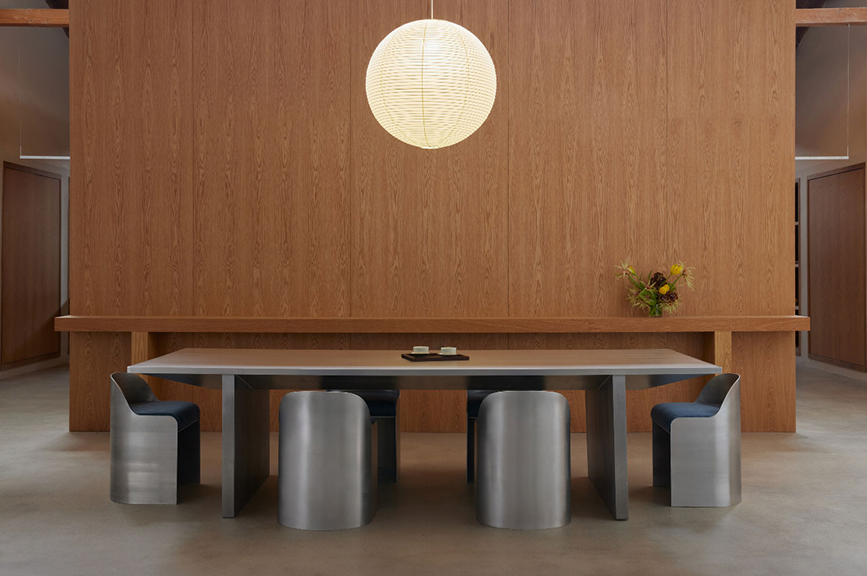
From plaster applied with a trowel to natural light, through imperfect textures, analog details become a guarantee of quality. People are tired of frictionless spaces that all look alike. They want contrast, authenticity, and tactility.
The Healthy Buildings team at Harvard points out that sensory richness is closely related to well-being, cognitive concentration, and emotional satisfaction, all of which are indicators of environments where people want to spend time. But why is analog so important today?
The answer may lie in your ability to:
- Anchor people in reality.
- Offer a sensory contrast to life spent in front of screens.
- Reduce cognitive fatigue.
- Encourage presence and pause.
- Create emotional memories.
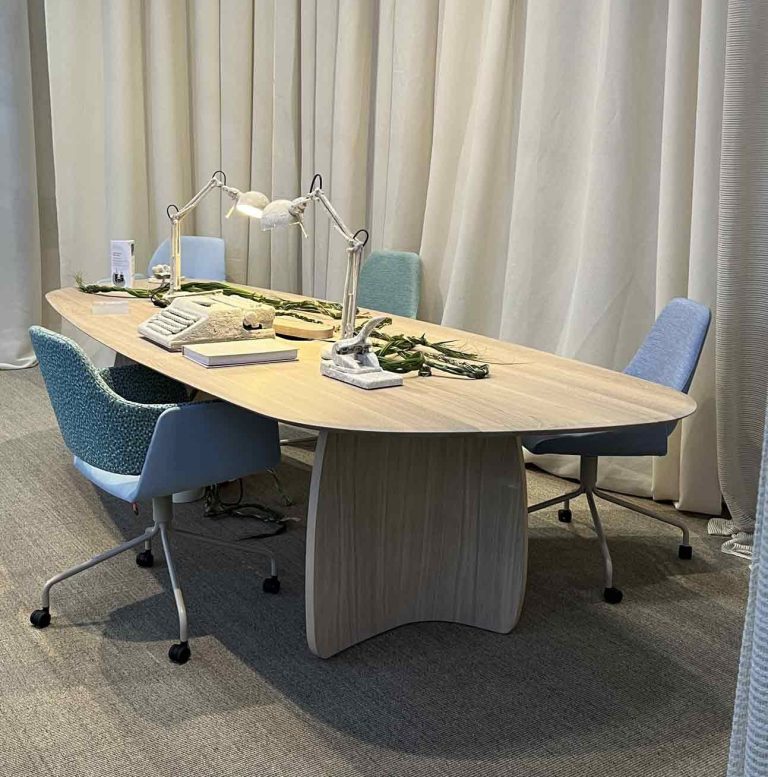
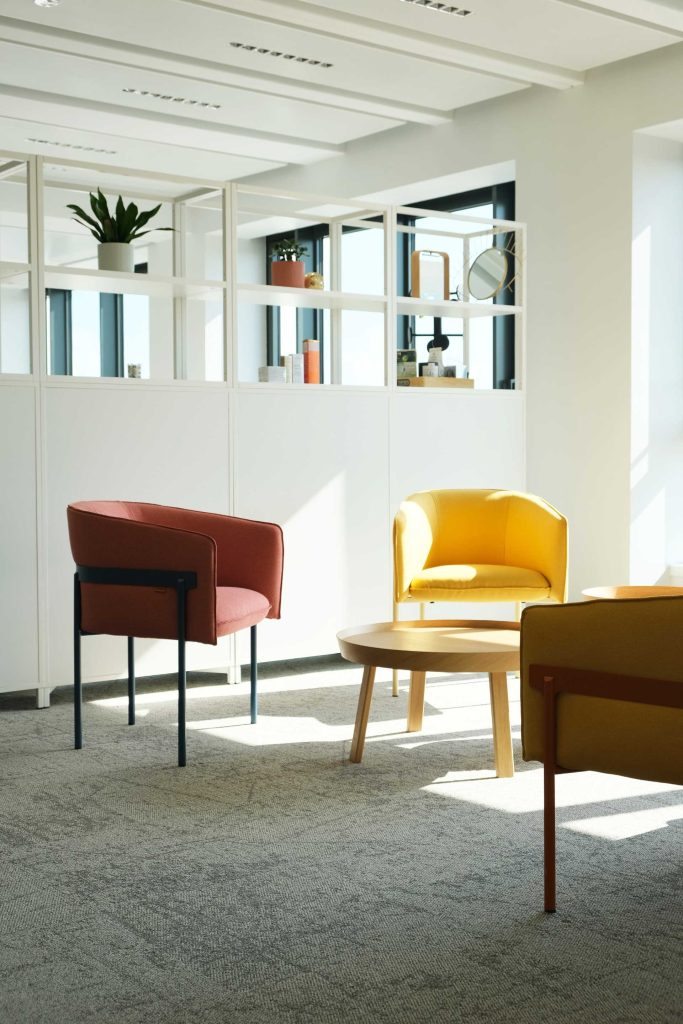
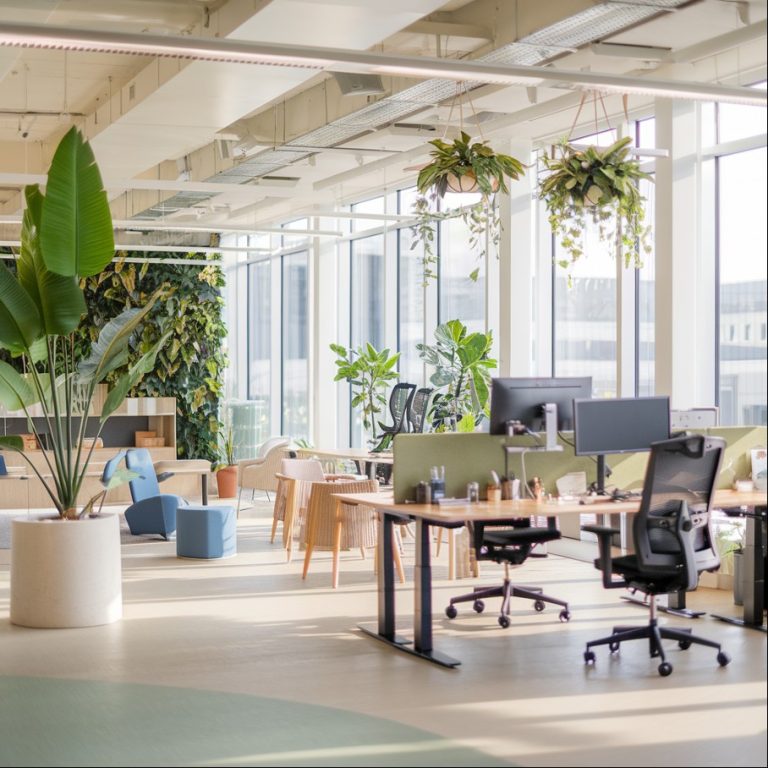
In retail, this often translates into minimalism and honesty in materials, while workplaces feature warm, comforting finishes, soft acoustics, and nature-inspired design. In the hotel sector, this has long been the norm. However, the common theme is that, in 2026, analog is not nostalgic, but necessary.
And this is the theme that runs through our latest guide, written in collaboration with IA, "Designing for Dwell(being): Why time, trust, and tangibility define the next era of interiors."
You may also like...