Neurodiversity in Design: How the Workplace Is Adapting to Its Employees
For years, workplace design has focused on collaboration, culture, and experience. More recently, the focus has shifted to well-being, flexibility, and freedom of choice. However, one of the most important debates regarding the built environment is only just beginning to gain traction: neurodiversity. Andrew Zacharias, Country Manager at Agilité Luxembourg, explores this topic in greater detail.
According to the CIPD, neurodiversity refers to natural differences in the functioning of the human brain and in behavioral traits, and estimates suggest that up to 20% of the population may exhibit some form of neurodiversity. At the same time, BSI’s PAS 6463 standard, the UK guidance on neurodiversity and the built environment, clearly states that design must respond to the needs of a neurodiverse society and create spaces that are “more inclusive for everyone.”
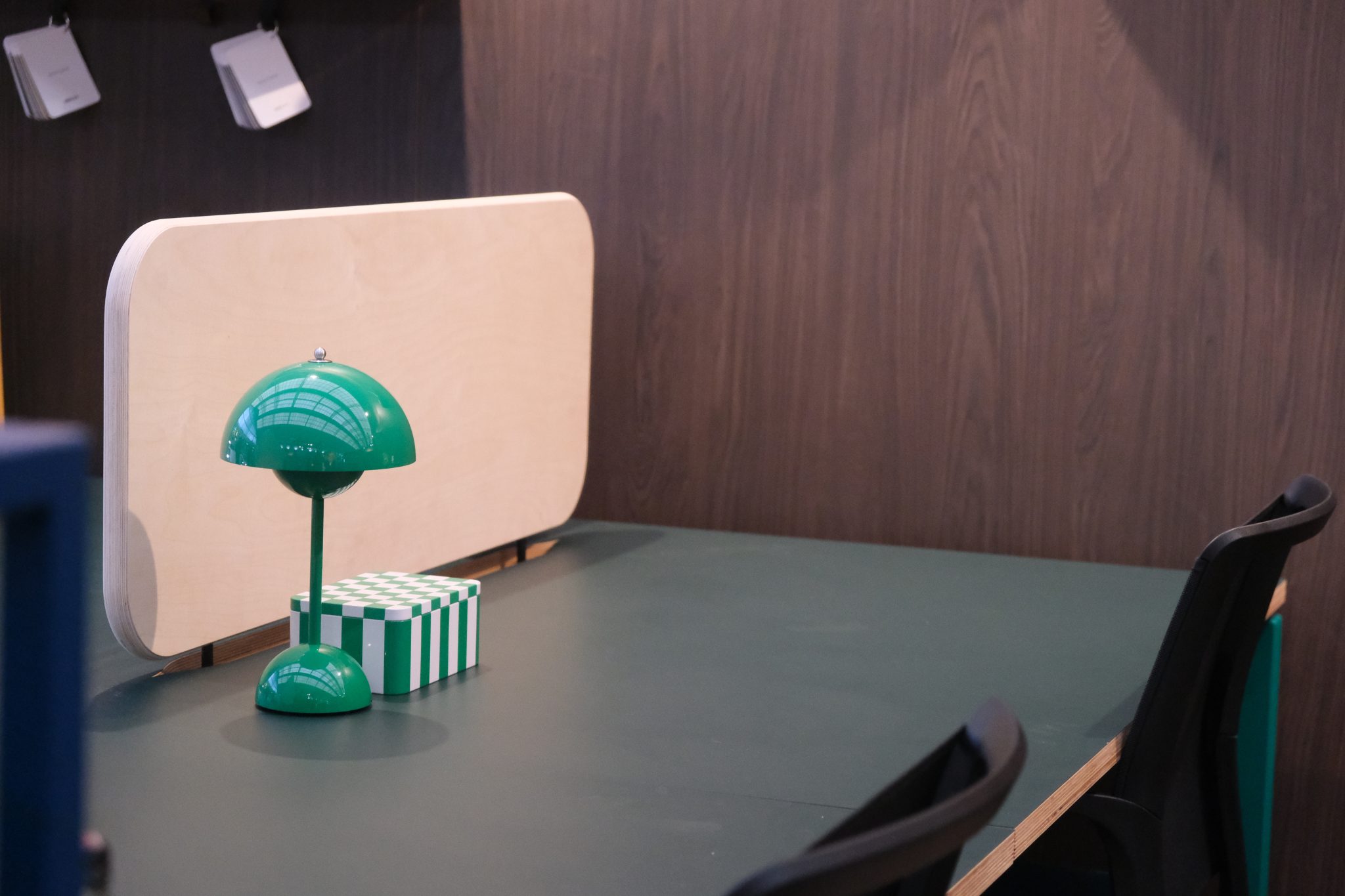
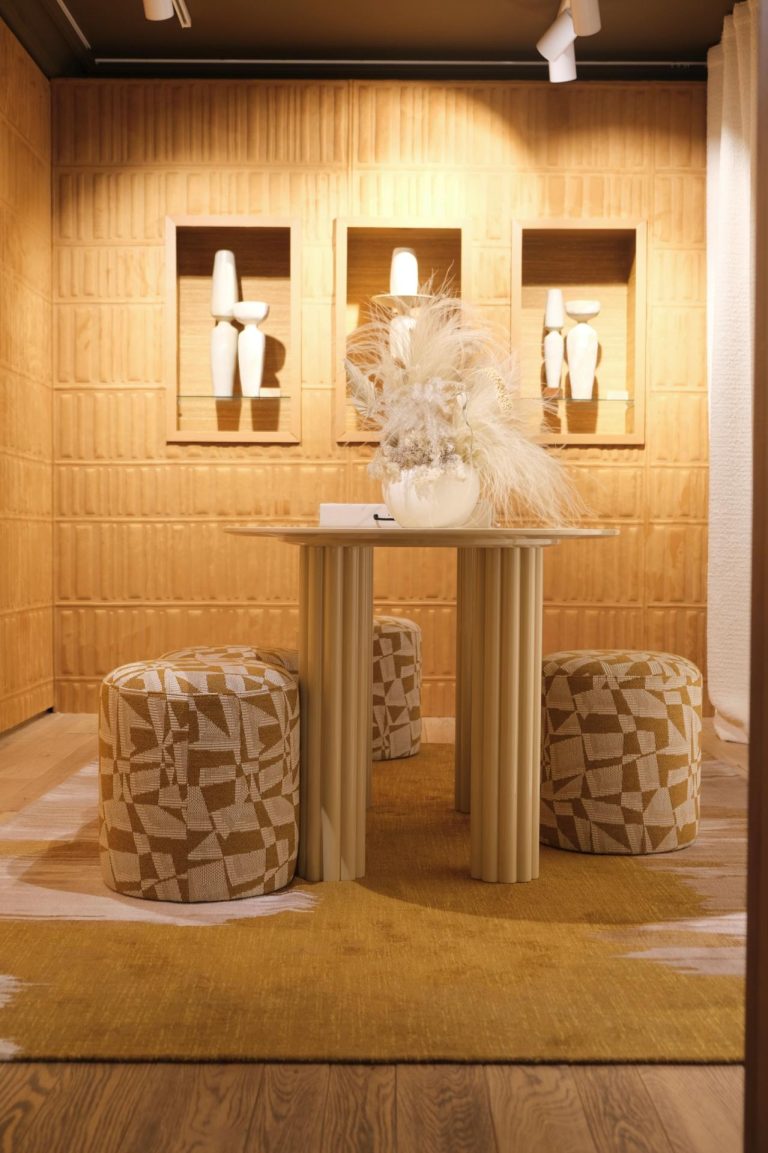
Workstation | Workspace Design Show 2026
Rethinking the Office: Why Is Neurodiversity So Important Today?
This last point is important, as neurodiversity in the field of design is often presented as if it were a niche issue, or a topic that affects only a well-defined minority group. In practice, this frame of reference can be part of the problem. It makes the topic seem too specialized even before people have had a chance to understand it.
What is clear, both in research and in practice, is that it is not simply a matter of designing for a label. It is about designing for people as they really are: different from one another, different from one task to another, and often different from one day to the next.
Create work environments that reflect the way people actually work
Traditionally, offices have been designed according to a single model, but many of the features now associated with neuro-inclusive design—such as quieter zones, clearer spatial cues, improved acoustics, and a greater variety of layouts—benefit far more than just one group of users.
This is consistent with the available data. Research on workplace design has repeatedly shown that there is no such thing as a truly “ready-to-use” office, and that personality, preferences, and tasks influence how people perceive a space and work within it. A 2018 research collaboration between the University of Bath, Bath Spa University, and Atkins supported this very thesis, emphasizing that different spatial and environmental qualities—particularly density, views, and noise levels—shape the experience in different ways, and that activity-based environments can help support different tasks and user profiles.
Perhaps, therefore, the best place to start isn’t “How should we design for neurodivergent people?” but rather “Why have we accepted workplaces that require everyone to work under exactly the same conditions?”
Open-plan offices are a good example of this. For certain tasks and certain personalities, they can promote energy, interaction, and visibility. For others, they are a constant source of distraction that hinders concentration. A recent systematic review of 55 studies (Design Research Society Digital Library) revealed that background noise and open-plan workspaces have a negative impact on well-being at work, while views of plants and natural elements can improve it. Another 2025 study involving 971 employees working in activity-based offices found that a greater perception of task privacy, a better fit between the individual and their environment, higher satisfaction with the work environment, and greater ease in changing workspaces were associated with better recovery, higher work capacity, a lower risk of burnout, and fewer symptoms of insomnia.
This helps explain why the debate on neurodiversity in design is gaining greater relevance today—not in isolation, but alongside broader questions about the future of the office itself. Since the pandemic, organizations have spent a great deal of time wondering how to encourage people to return to the workplace. Generally speaking, this debate centers on collaboration, inclusivity, and community. These elements are important. But they do not constitute the complete answer.
People don’t go to the office just for the atmosphere. They go for different reasons, depending on the day. Sometimes they need to build connections. Sometimes they need to focus. Sometimes they need a sense of belonging. Sometimes they need a place that’s quieter than their home. Sometimes they need a place that’s quieter than the office where they already work.
That is why neuro-inclusive design should not be reduced to a simple list of technical specifications. It is not simply a matter of adding a break room and calling it a day. It is about recognizing that everyone perceives space differently, and that good design offers them various ways to thrive within that space.
The BSI’s PAS 6463 standard reflects this diversity. It covers lighting, acoustics, thermal comfort, and wayfinding, but the fundamental principle is that poorly designed environments can cause avoidable stress and exclusion, while the best ones reduce friction and facilitate participation. This is not just a social argument, but also a business one. The World Health Organization notes that safe and healthy work environments are more likely to minimize workplace tensions and conflicts and to improve staff retention, performance, and productivity. The CIPD also highlights the importance of neuroinclusion for well-being, performance, and retention.
This is where the issue becomes particularly interesting from a conceptual standpoint. Because, as soon as we stop viewing it as merely a complement to inclusion, it begins to shape the entire set of specifications.

From Conformity to Experience: A New Approach to Inclusive Design
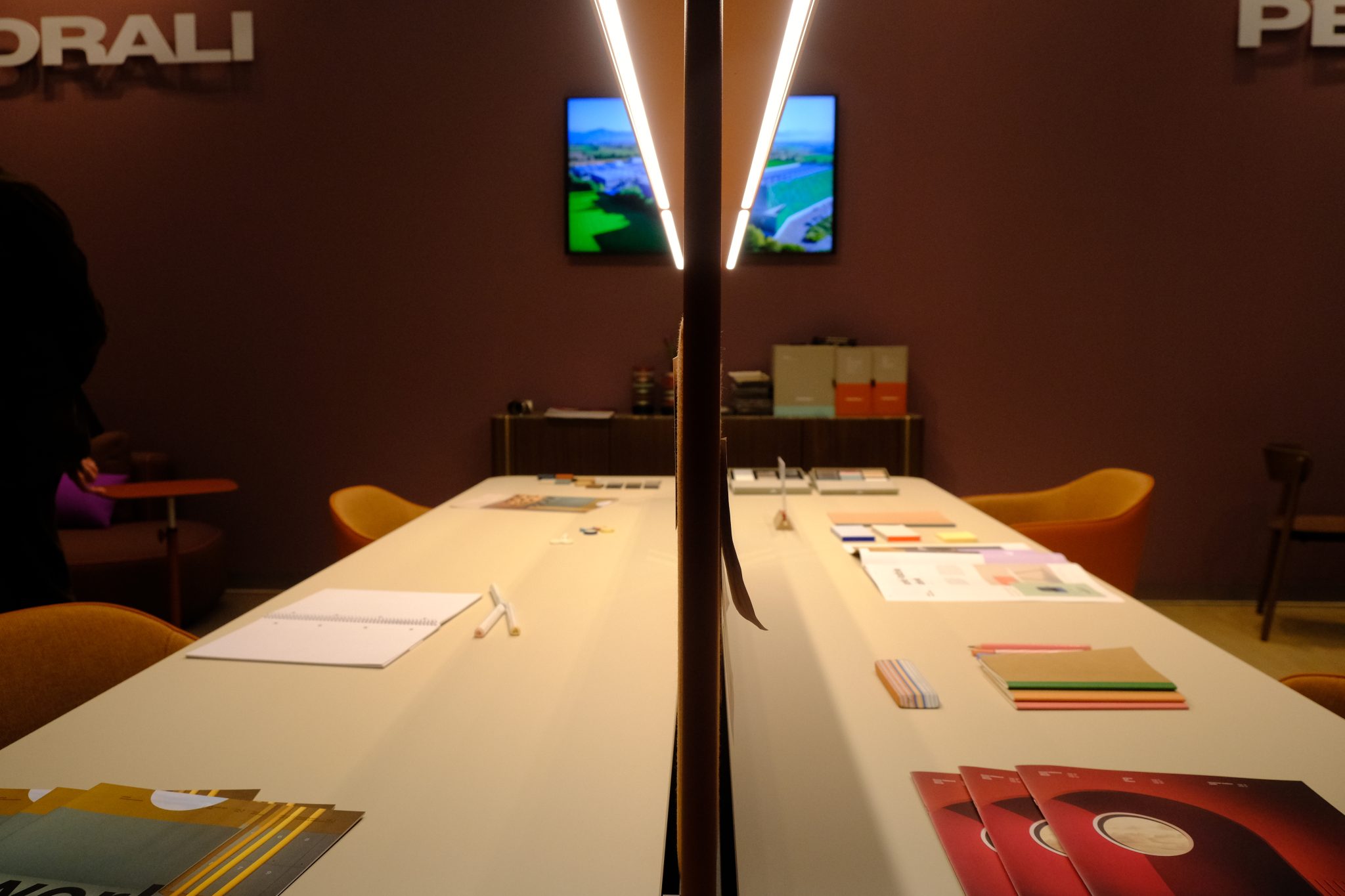
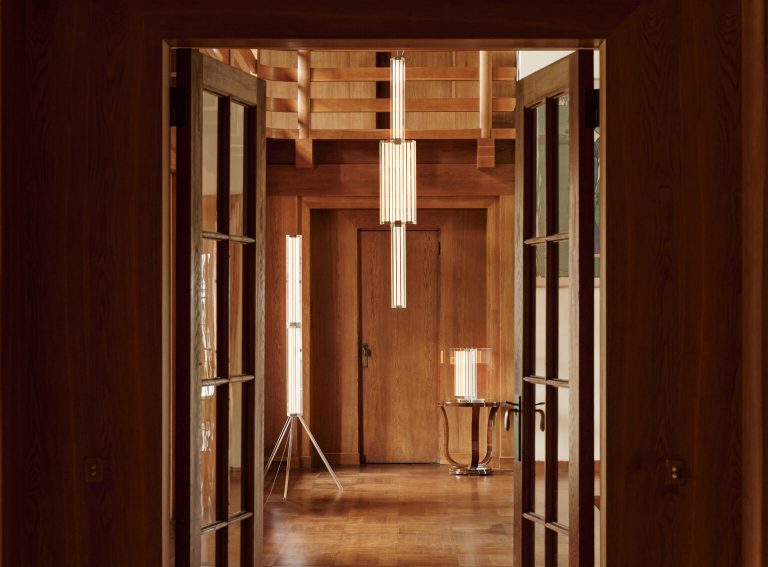
Workplace Lighting | Workplace Design Expo 2026
Lighting is no longer just a matter of regulatory compliance and lux levels. It is now about control, glare, contrast, and the impact of different types of light on attention and fatigue. Acoustics is no longer a secondary technical consideration. It is now essential for enabling people to think effectively. Wayfinding is not limited to signage. It is about reducing cognitive load and making a space legible. Space design is not just about density and the number of employees. It is about offering both a refuge and opportunities for interaction, predictability, and stimulation.
If we collectively accept that different tasks require different environments, and that hybrid work has shifted employees’ expectations regarding autonomy and concentration, it follows that the most resilient workplaces will be those that offer people more choices, greater clarity, and less unnecessary stress. This is undoubtedly beneficial for neurodivergent colleagues. But it’s also beneficial for the finance manager trying to work on numbers without interruptions, for the project team reviewing plans in a lively group, or for the person who simply arrived that morning feeling overstimulated.
This distinction is important because it allows us to stop thinking of design as something aimed at a small group of people, and instead view it as a response to the reality of human diversity. Our moods change. Our tasks change. Our abilities change. We are not robots, and our workplaces should stop acting as if we were. Some people prefer to be in the thick of the action, others need a quieter environment, and many of us shift from one state to another depending on the day and the task at hand.
One of the challenges for clients is that neuroinclusive design is ahead of the market in some respects. The intention is there, but the data is only just beginning to emerge. Compared to sustainability, where benchmarks and additional costs are better understood, neurodiversity in design can still feel like venturing into uncharted territory. Clients understand the logic, but it is more difficult to quantify the return on investment in the same way when the results are human, behavioral, and long-term.
That is why this debate is so important to us today. We are working on a large-scale project in Luxembourg, where neurodiversity is not an afterthought but a fundamental design principle. This alone changes the nature of the questions we ask—and rightly so. It’s not about “What does a standard office look like?” but rather “What kind of environment helps more people perform at their best?” It’s not about “What’s the bare minimum we need to provide?” but rather “How do we design a workplace that is intuitive, supportive, and accessible to as many people as possible?”
"In fact, this is an issue that I believe is particularly relevant to the future of work, since, in reality, the office is no longer competing solely with other offices, but also with the home, autonomy, comfort, and people’s growing willingness to say—and quite rightly so—‘This environment isn’t right for me.’”
What I’ve learned over the past few months is that neurodiversity in design isn’t about creating special accommodations, but about taking into account what people have been telling us—both directly and indirectly—for years: the environment shapes behavior, concentration, mood, and a sense of belonging.
Workplaces that take this reality into account will not only be more inclusive. They will be better.
You may also like...