Workspace Expo 2026

Workspace Expo 2026

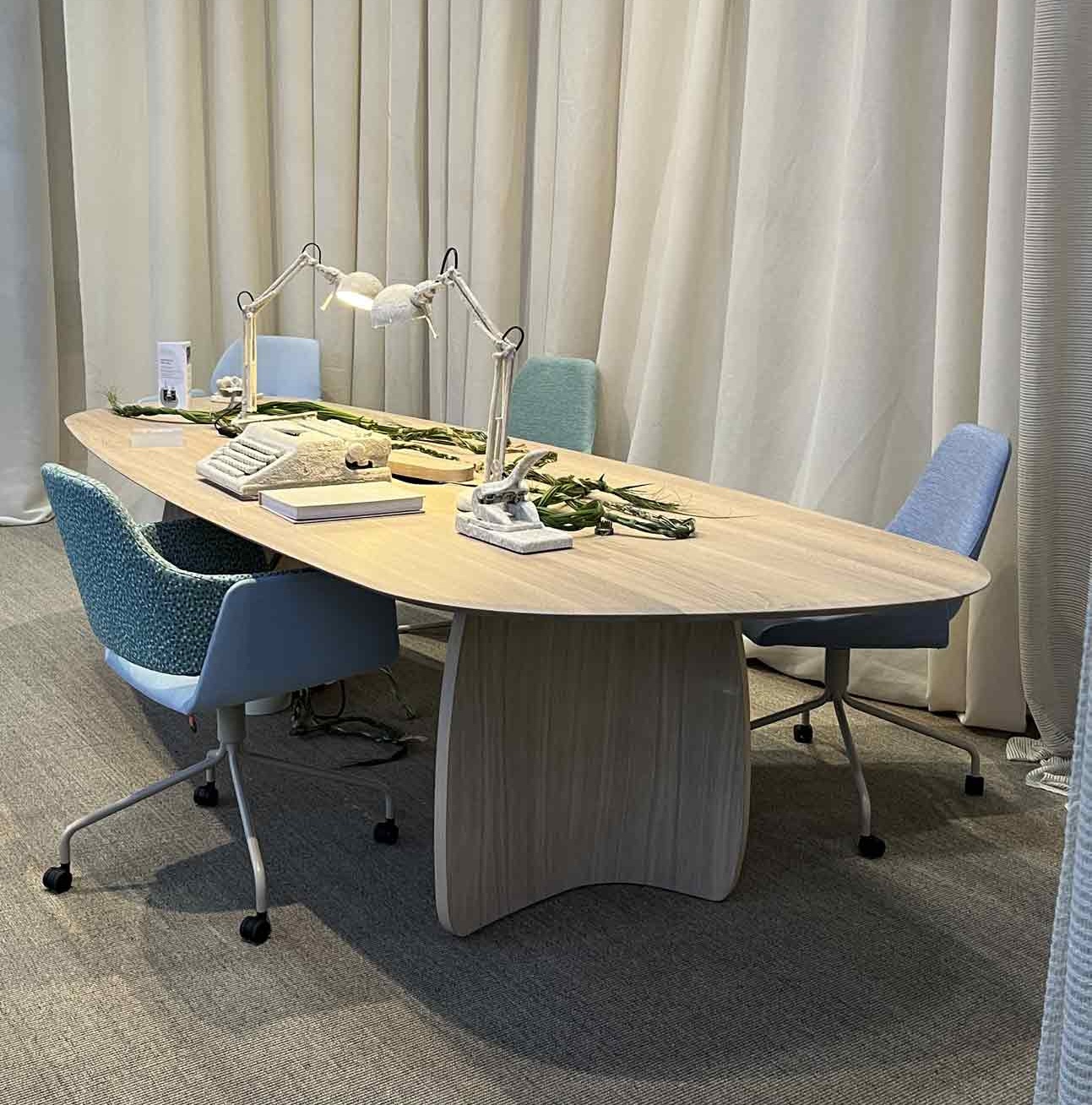
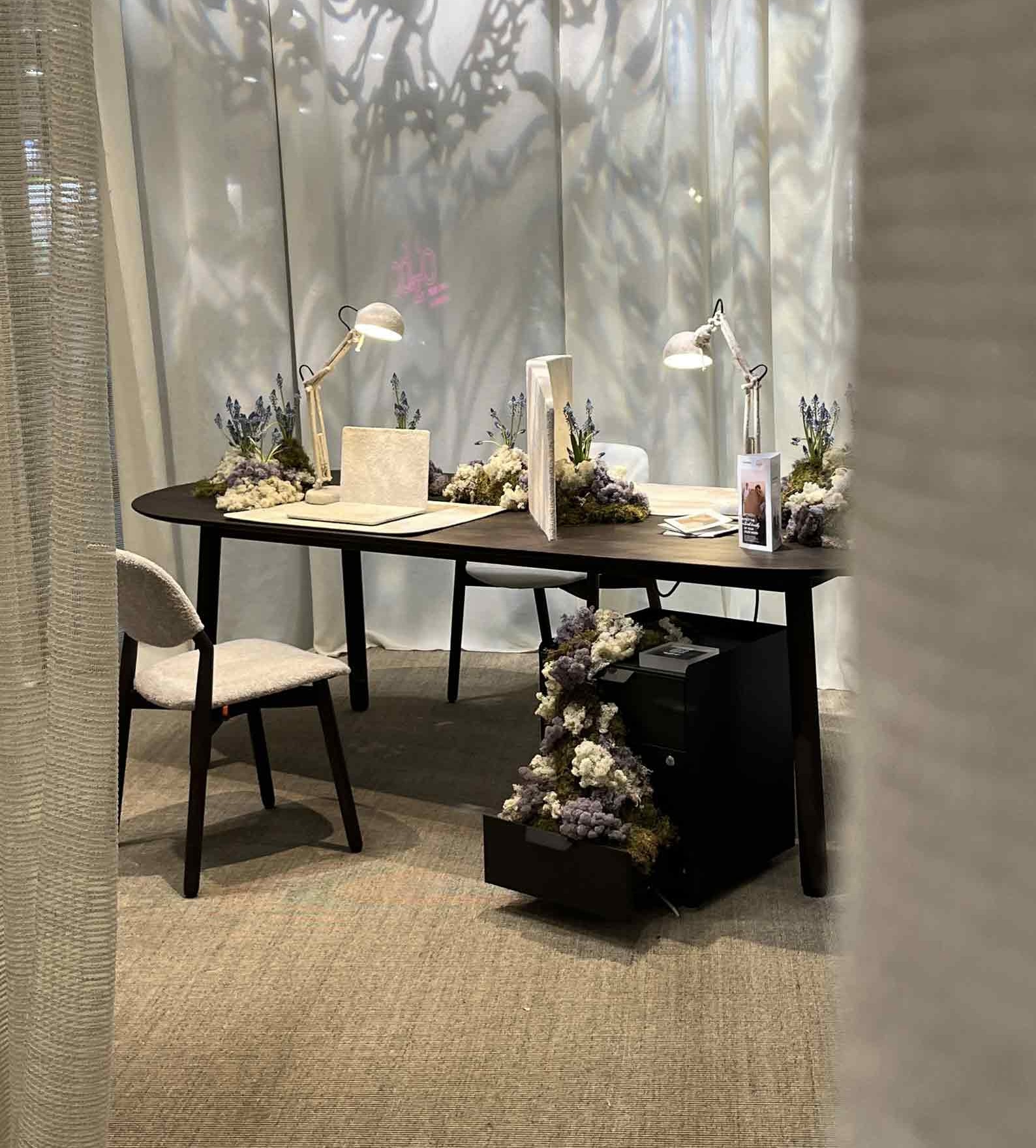
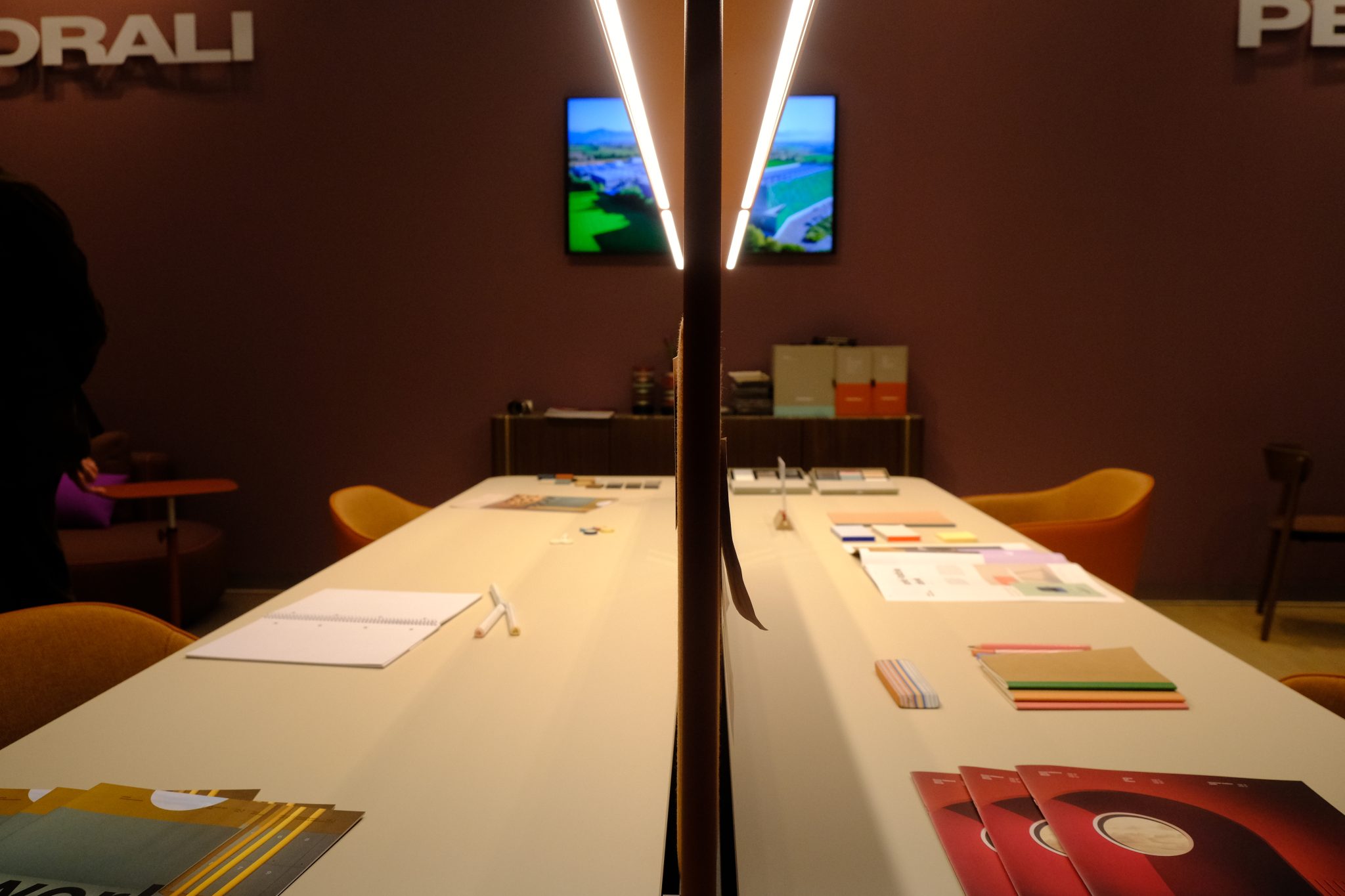
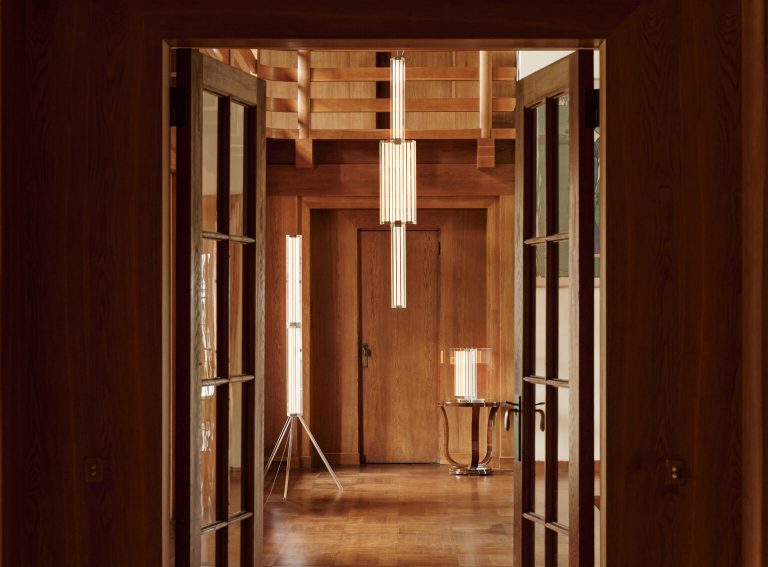
The Workspace Expo, a true European hub for design and office furnishings, once again delivered on all its promises from March 24 to 26. Over the course of three days, the event brought together the entire ecosystem—visionary manufacturers, bold designers, technical experts, and strategic decision-makers—to outline the blueprint for the office of the future. In a context where the relationship with work is constantly evolving, this edition highlighted concrete solutions that combine collective performance, individual well-being, and an increasingly refined aesthetic.

As they do every year, the Parella teams attended the event to explore these new frontiers in the commercial real estate sector. Our presence is essential to deciphering the transformations underway, picking up on emerging trends, and testing the innovations that will fuel our future projects. Fully immersed in the latest trends, we have refined our vision for sustainable solutions and collaborative technologies, with a clear goal: to continue guiding our clients toward workspaces that are no longer just places to pass through, but true destinations with high added value.

Michael Kaplan

Associate

One thing is clear to us: we need to rewrite the history of the office.

What employees are looking for in the office is becoming increasingly clear: learning, connecting, and creating together.

1. AI reshapes work; the office fosters community
AI automates, accelerates, and handles certain tasks. However, what it cannot do is foster community. The office remains the place where intelligence is built collaboratively, where knowledge is shared through physical presence, and where social connections cannot be delegated to a tool.

2. The learning space: a central focus
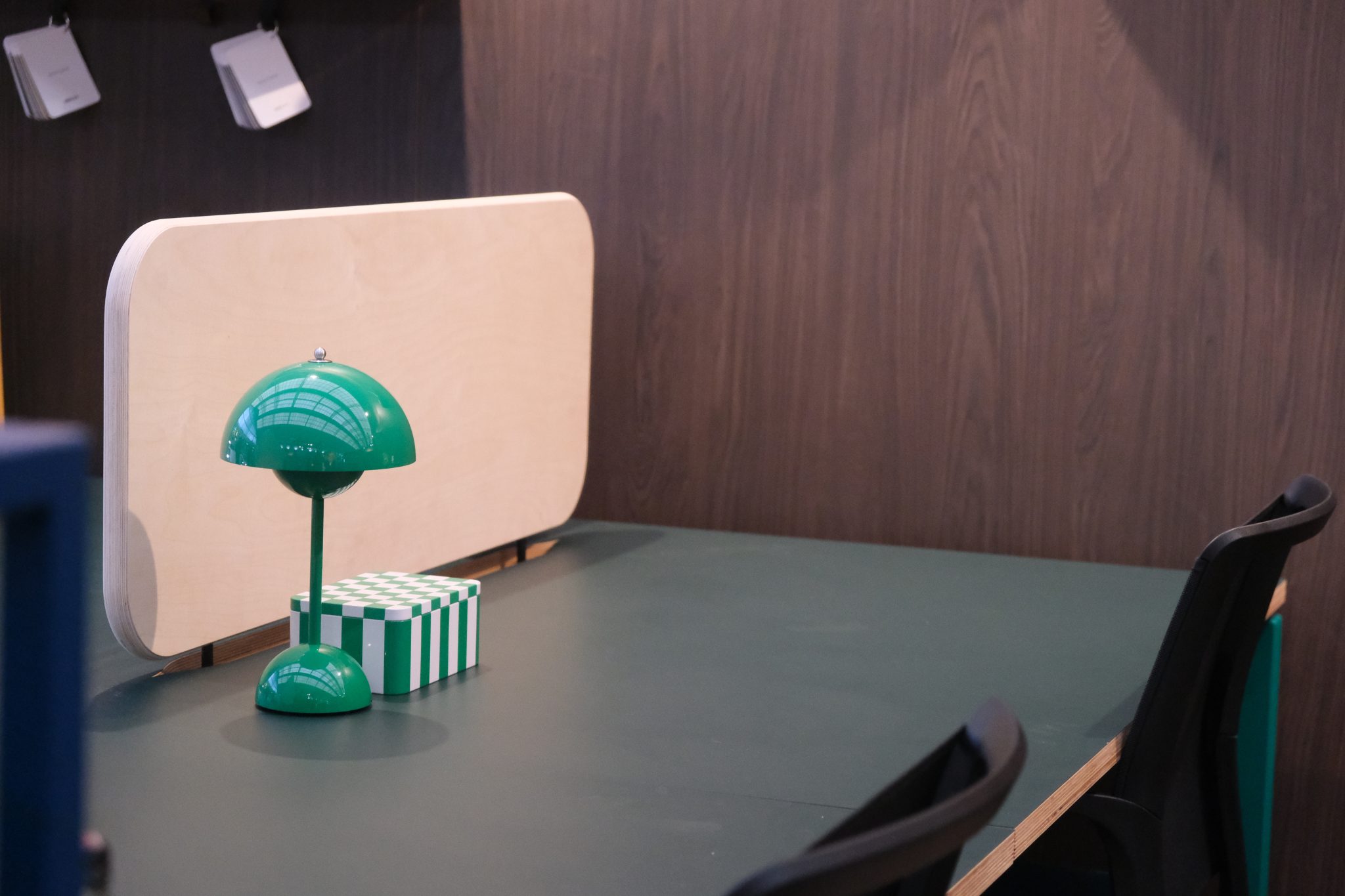
If the office is to foster learning, it must create the right conditions for it. In an environment where demands are constant and the flow of information is continuous, staying focused has become a challenge in itself. Acoustics, soundproof booths, quiet spaces, and air quality: these factors, prominently featured at the trade show, are what make it possible to transform the office into a place where people can truly learn.

3. A space where everyone finds their place
Disability, mental load, sensory sensitivities, need for solitude: inclusion in the workplace goes far beyond what meets the eye. Between 15% and 20% of the population has a neuroatypical profile. That’s a significant number of employees for whom the work environment can make all the difference. Designing with everyone in mind from the start means creating a better space for everyone—a place where people feel safe, at home, and fully capable of doing their work.

4. Circular Furniture: From Concept to Practice
A section dedicated to the circular economy confirms that reuse is becoming firmly established. Secondhand furniture, recycled materials: responsible sourcing is now integrated from the design phase.

For Parella, these insights directly inform our recommendations.

What we have observed raises the questions we ask ourselves in every project: Is this space designed for learning, gathering, and growth?

From real estate strategy to space design, from project management to change management, we are involved in every stage of your project with a steadfast belief: a well-designed space is a driver of performance and culture.

We look forward to writing this new chapter in our office’s history together with you.

You may also like...

JO Paralímpicos: inspiraciones
- Este fin de semana recibí mis entradas conmemorativas de los Juegos Olímpicos y Paralímpicos. Esto me...
PARIS ART WEEK
― Our teams immersed themselves in the heart of an inspiring ecosystem, deeply rooted in our lives...
Matter Meeting 2025
― This salon, a true laboratory of creativity and innovation, has become in just a few years an event...

Driving change

Driving change through a more inclusive sector.

Despite decades of advocacy and investment, women remain severely underrepresented across the construction sector. According to a study by Simian Risk, women make up only 14% of the total workforce in the UK construction sector, and only 1% hold manual labor positions on construction sites.

To mark Women in Construction Week and International Women’s Day, we spoke with our Country Manager for Germany, Sara Purvis, to hear her perspective on the challenges and opportunities ahead.

I’ll be honest: until recently, I hadn’t really stopped to think about the importance of WIC Week. Perhaps, like many others, I thought things were gradually improving. However, the more I thought about it, the more I got the impression that progress was stalling and that, in some areas, we were even seeing a setback.

In our sector, leadership positions remain skewed, with women holding only 7% of executive and board positions. And although 15% of apprentices in the construction sector are now women—an improvement from less than 10% a decade ago—progress remains slow. Only 13% of construction companies in the UK are owned by women, and the sector continues to have a 20% gender pay gap, one of the highest across all sectors.

These statistics highlight an undeniable reality: this has to change. Not only because equality is a matter of principle, but also because the sector is facing a significant shortage of skilled labor that cannot be resolved as long as 50% of the population remains underrepresented.

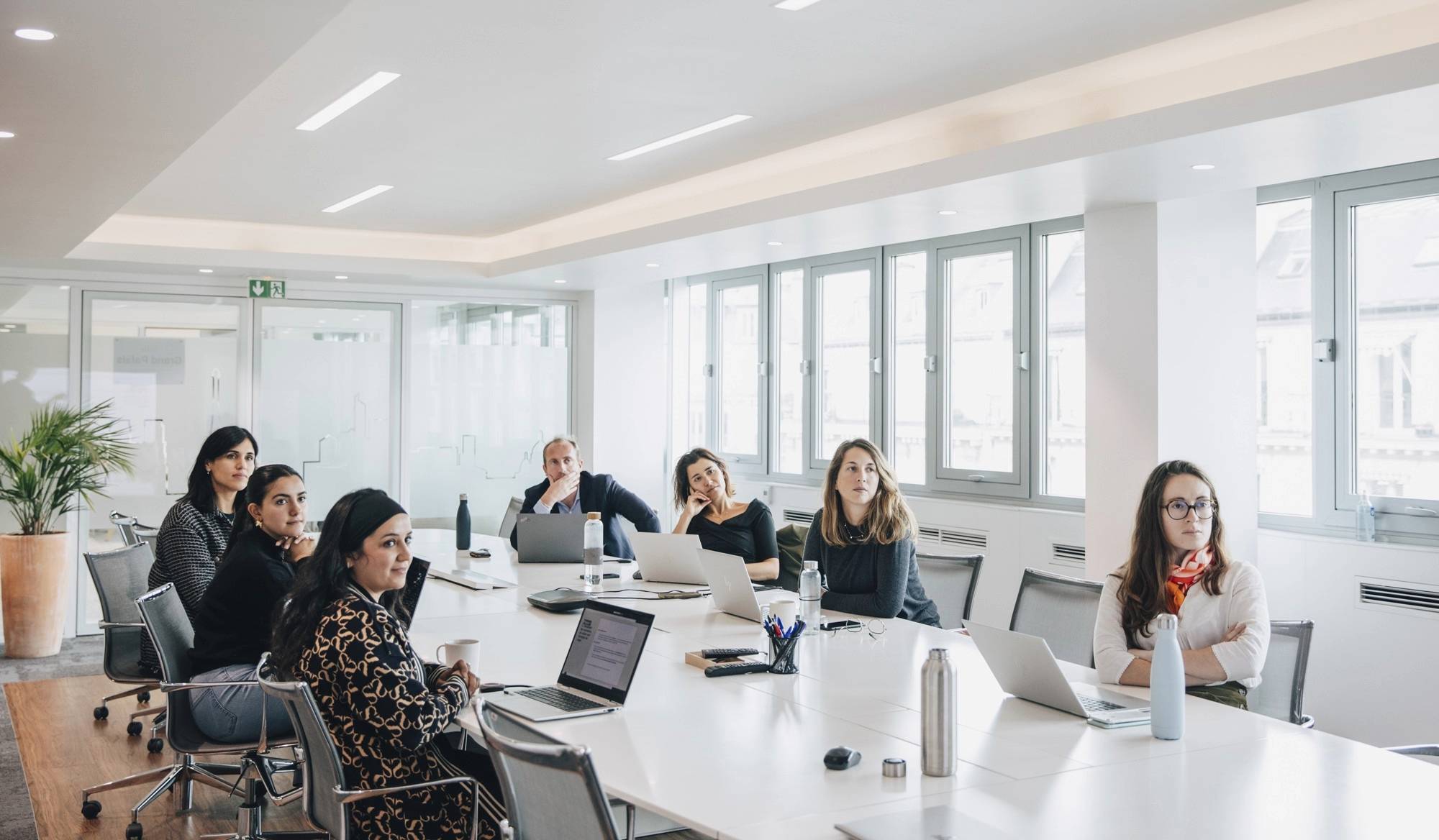
Photo of several people in a meeting room looking towards a screen or a main speaker who is off-camera.

30 Years in Retrospect (A Personal Perspective)

In 2026, it will be thirty years since I first set foot on a construction site. At the time, I was a student on a gap year working as an assistant on the land-use planning team at Wimpey Homes. I remember feeling no sense of being at a disadvantage, only optimism, enthusiasm, and the confidence instilled in me by my decidedly feminist high school.

Throughout my career, I have often (though not always) been the only woman in the room. And yet, I felt just like everyone else. I felt like I belonged. Today, I realize how lucky—and privileged—I am because of that. The question I ask myself, therefore, is this: “If it seemed so simple three decades ago, why does the construction sector still have the lowest rate of female participation of any British industry today?”

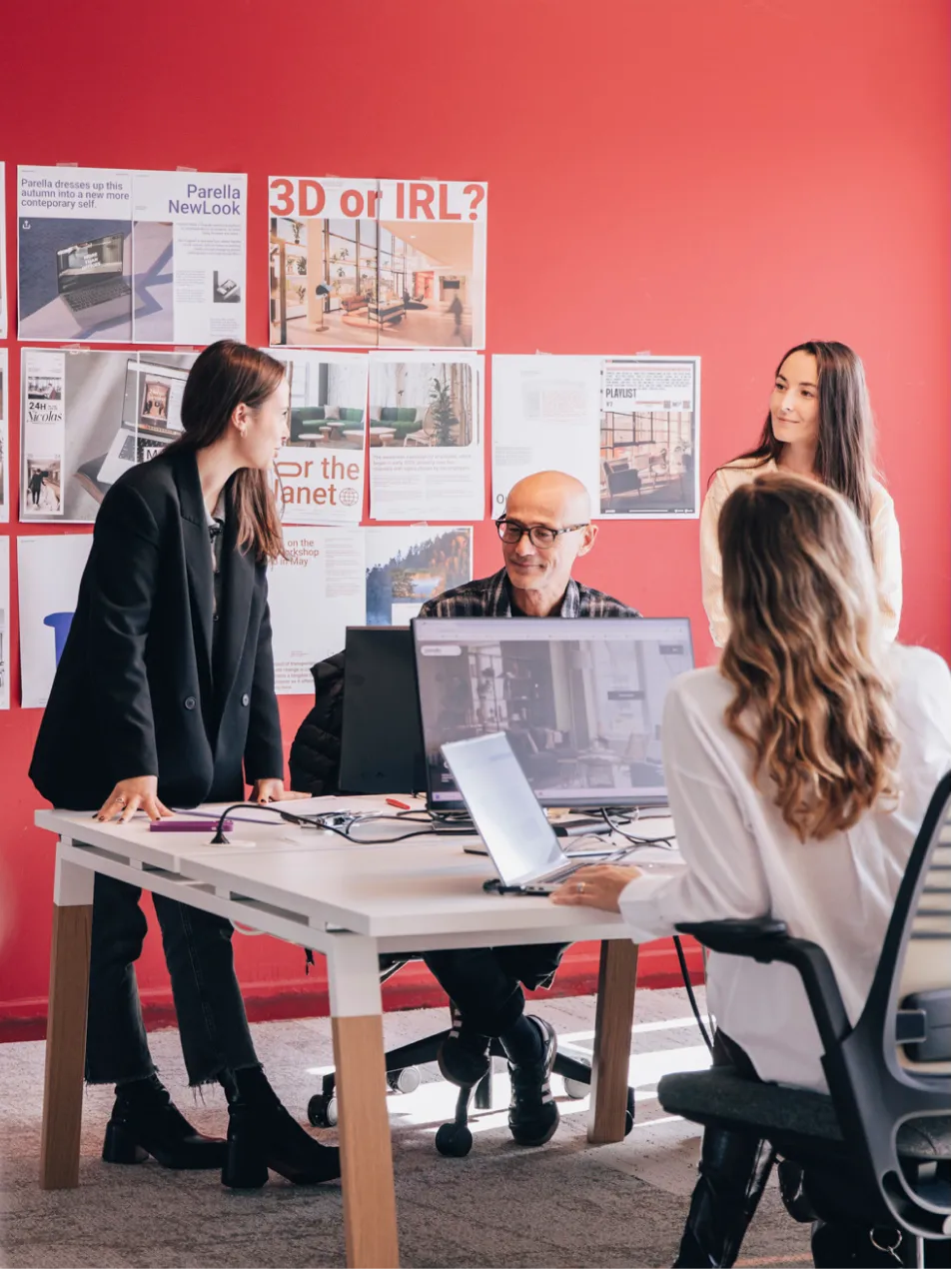
Photo of a 4-person team exchanging ideas, in front of a red wall and posters.

A broader context: the United Kingdom versus Germany

Some answers can be found in history. In Germany, for example, women were legally barred from many construction trades until 1994—the same year I was taking my first steps on construction sites in North Yorkshire. It’s hard not to see an echo of that law in the current underrepresentation of women in German manual trades.

But the situation in the United Kingdom raises other issues. Women now make up a much larger proportion of the workforce in construction-related professions such as architecture, engineering, and project management, but not in the skilled trades.

Is the highly regulated and formalized learning process in Germany part of the problem there? And is there a similar situation in the United Kingdom because the culture in the construction industry has evolved more slowly than that of the liberal professions?

Future prospects…

Faye Allen’s work, titled *Building Women*, sheds new light on the realities faced by women in the construction industry today. Drawing on the results of a survey of more than 1,000 participants, it highlights the obstacles women continue to face—whether it be a lack of facilities on construction sites or hostile microcultures—and proposes ways to improve the situation.

Above all, the improvements the industry needs are not simply “women’s issues.” These are challenges that affect us all, as a safer, more inclusive, and more professional environment benefits all staff, improves retention, and strengthens the industry’s reputation.

At Agility, we are committed to being part of this change. Currently, women and men hold 40% and 60% of our leadership positions, respectively, and our goal is not simply to celebrate this representation, but to create environments where women can thrive, advance, and shape the future of our industry.

You may also like...

PARIS ART WEEK
― Our teams immersed themselves in the heart of an inspiring ecosystem, deeply rooted in our lives...
JO Paralímpicos: inspiraciones
- Este fin de semana recibí mis entradas conmemorativas de los Juegos Olímpicos y Paralímpicos. Esto me...
ART IN THE OFFICE
― I deeply believe that art has that power: to transform the perception of a space, to stimulate...

Neurodiversity in Design

Neurodiversity in Design: How the Workplace Is Adapting to Its Employees

For years, workplace design has focused on collaboration, culture, and experience. More recently, the focus has shifted to well-being, flexibility, and freedom of choice. However, one of the most important debates regarding the built environment is only just beginning to gain traction: neurodiversity. Andrew Zacharias, Country Manager at Agilité Luxembourg, explores this topic in greater detail.

According to the CIPD, neurodiversity refers to natural differences in the functioning of the human brain and in behavioral traits, and estimates suggest that up to 20% of the population may exhibit some form of neurodiversity. At the same time, BSI’s PAS 6463 standard, the UK guidance on neurodiversity and the built environment, clearly states that design must respond to the needs of a neurodiverse society and create spaces that are “more inclusive for everyone.”

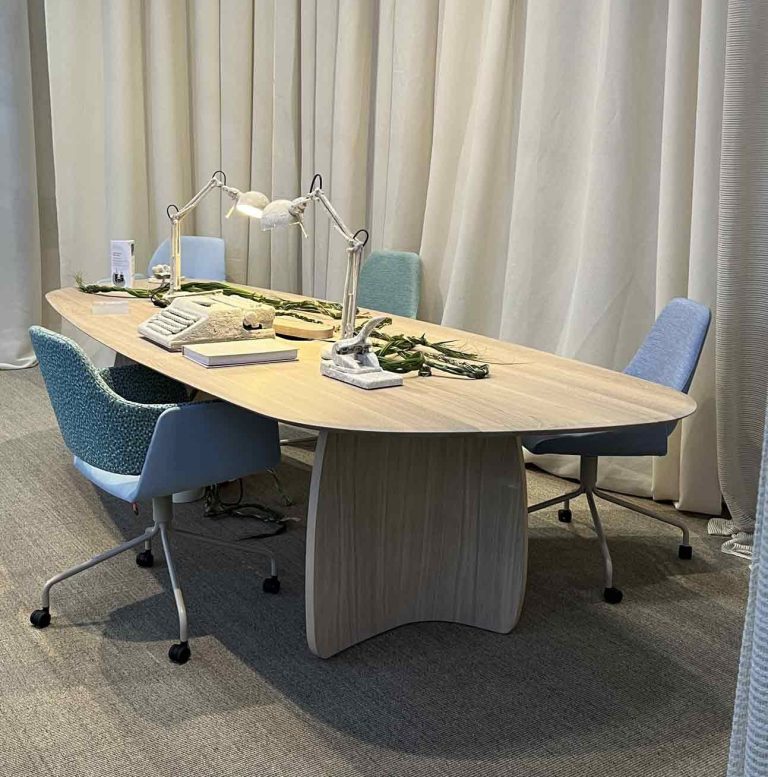
Workstation | Workspace Design Show 2026

Rethinking the Office: Why Is Neurodiversity So Important Today?

This last point is important, as neurodiversity in the field of design is often presented as if it were a niche issue, or a topic that affects only a well-defined minority group. In practice, this frame of reference can be part of the problem. It makes the topic seem too specialized even before people have had a chance to understand it.

What is clear, both in research and in practice, is that it is not simply a matter of designing for a label. It is about designing for people as they really are: different from one another, different from one task to another, and often different from one day to the next.

Create work environments that reflect the way people actually work

Traditionally, offices have been designed according to a single model, but many of the features now associated with neuro-inclusive design—such as quieter zones, clearer spatial cues, improved acoustics, and a greater variety of layouts—benefit far more than just one group of users.

This is consistent with the available data. Research on workplace design has repeatedly shown that there is no such thing as a truly “ready-to-use” office, and that personality, preferences, and tasks influence how people perceive a space and work within it. A 2018 research collaboration between the University of Bath, Bath Spa University, and Atkins supported this very thesis, emphasizing that different spatial and environmental qualities—particularly density, views, and noise levels—shape the experience in different ways, and that activity-based environments can help support different tasks and user profiles.

Perhaps, therefore, the best place to start isn’t “How should we design for neurodivergent people?” but rather “Why have we accepted workplaces that require everyone to work under exactly the same conditions?”

Open-plan offices are a good example of this. For certain tasks and certain personalities, they can promote energy, interaction, and visibility. For others, they are a constant source of distraction that hinders concentration. A recent systematic review of 55 studies (Design Research Society Digital Library) revealed that background noise and open-plan workspaces have a negative impact on well-being at work, while views of plants and natural elements can improve it. Another 2025 study involving 971 employees working in activity-based offices found that a greater perception of task privacy, a better fit between the individual and their environment, higher satisfaction with the work environment, and greater ease in changing workspaces were associated with better recovery, higher work capacity, a lower risk of burnout, and fewer symptoms of insomnia.

This helps explain why the debate on neurodiversity in design is gaining greater relevance today—not in isolation, but alongside broader questions about the future of the office itself. Since the pandemic, organizations have spent a great deal of time wondering how to encourage people to return to the workplace. Generally speaking, this debate centers on collaboration, inclusivity, and community. These elements are important. But they do not constitute the complete answer.

People don’t go to the office just for the atmosphere. They go for different reasons, depending on the day. Sometimes they need to build connections. Sometimes they need to focus. Sometimes they need a sense of belonging. Sometimes they need a place that’s quieter than their home. Sometimes they need a place that’s quieter than the office where they already work.

That is why neuro-inclusive design should not be reduced to a simple list of technical specifications. It is not simply a matter of adding a break room and calling it a day. It is about recognizing that everyone perceives space differently, and that good design offers them various ways to thrive within that space.

The BSI’s PAS 6463 standard reflects this diversity. It covers lighting, acoustics, thermal comfort, and wayfinding, but the fundamental principle is that poorly designed environments can cause avoidable stress and exclusion, while the best ones reduce friction and facilitate participation. This is not just a social argument, but also a business one. The World Health Organization notes that safe and healthy work environments are more likely to minimize workplace tensions and conflicts and to improve staff retention, performance, and productivity. The CIPD also highlights the importance of neuroinclusion for well-being, performance, and retention.

This is where the issue becomes particularly interesting from a conceptual standpoint. Because, as soon as we stop viewing it as merely a complement to inclusion, it begins to shape the entire set of specifications.

From Conformity to Experience: A New Approach to Inclusive Design

Workplace Lighting | Workplace Design Expo 2026

Lighting is no longer just a matter of regulatory compliance and lux levels. It is now about control, glare, contrast, and the impact of different types of light on attention and fatigue. Acoustics is no longer a secondary technical consideration. It is now essential for enabling people to think effectively. Wayfinding is not limited to signage. It is about reducing cognitive load and making a space legible. Space design is not just about density and the number of employees. It is about offering both a refuge and opportunities for interaction, predictability, and stimulation.

If we collectively accept that different tasks require different environments, and that hybrid work has shifted employees’ expectations regarding autonomy and concentration, it follows that the most resilient workplaces will be those that offer people more choices, greater clarity, and less unnecessary stress. This is undoubtedly beneficial for neurodivergent colleagues. But it’s also beneficial for the finance manager trying to work on numbers without interruptions, for the project team reviewing plans in a lively group, or for the person who simply arrived that morning feeling overstimulated.

This distinction is important because it allows us to stop thinking of design as something aimed at a small group of people, and instead view it as a response to the reality of human diversity. Our moods change. Our tasks change. Our abilities change. We are not robots, and our workplaces should stop acting as if we were. Some people prefer to be in the thick of the action, others need a quieter environment, and many of us shift from one state to another depending on the day and the task at hand.

One of the challenges for clients is that neuroinclusive design is ahead of the market in some respects. The intention is there, but the data is only just beginning to emerge. Compared to sustainability, where benchmarks and additional costs are better understood, neurodiversity in design can still feel like venturing into uncharted territory. Clients understand the logic, but it is more difficult to quantify the return on investment in the same way when the results are human, behavioral, and long-term.

That is why this debate is so important to us today. We are working on a large-scale project in Luxembourg, where neurodiversity is not an afterthought but a fundamental design principle. This alone changes the nature of the questions we ask—and rightly so. It’s not about “What does a standard office look like?” but rather “What kind of environment helps more people perform at their best?” It’s not about “What’s the bare minimum we need to provide?” but rather “How do we design a workplace that is intuitive, supportive, and accessible to as many people as possible?”

"In fact, this is an issue that I believe is particularly relevant to the future of work, since, in reality, the office is no longer competing solely with other offices, but also with the home, autonomy, comfort, and people’s growing willingness to say—and quite rightly so—‘This environment isn’t right for me.’”

What I’ve learned over the past few months is that neurodiversity in design isn’t about creating special accommodations, but about taking into account what people have been telling us—both directly and indirectly—for years: the environment shapes behavior, concentration, mood, and a sense of belonging.

Workplaces that take this reality into account will not only be more inclusive. They will be better.

You may also like...

WHY SOME STORES RETAIN CUSTOMERS
― For some large retail chains, the time has come to enter a new era.
JO Paralímpicos: inspiraciones
- Este fin de semana recibí mis entradas conmemorativas de los Juegos Olímpicos y Paralímpicos. Esto me...
Parella Paris appoints a new partner
― "This appointment reflects the high ambitions of our Paris office, as well as the strength of...

Paris Design Week 2025

Paris Design Week 2025

Paris Design Week 2025: un recorrido inmersivo en el corazón de la creación contemporánea

Para esta 15.ª edición, la capital se transformó durante diez días en un laboratorio vivo de tendencias, experimentos y diálogos en torno al objeto, la materia y el espacio.
Por supuesto, Parella estuvo presente, curioso y atento a lo que el diseño nos cuenta hoy sobre el mundo del mañana.

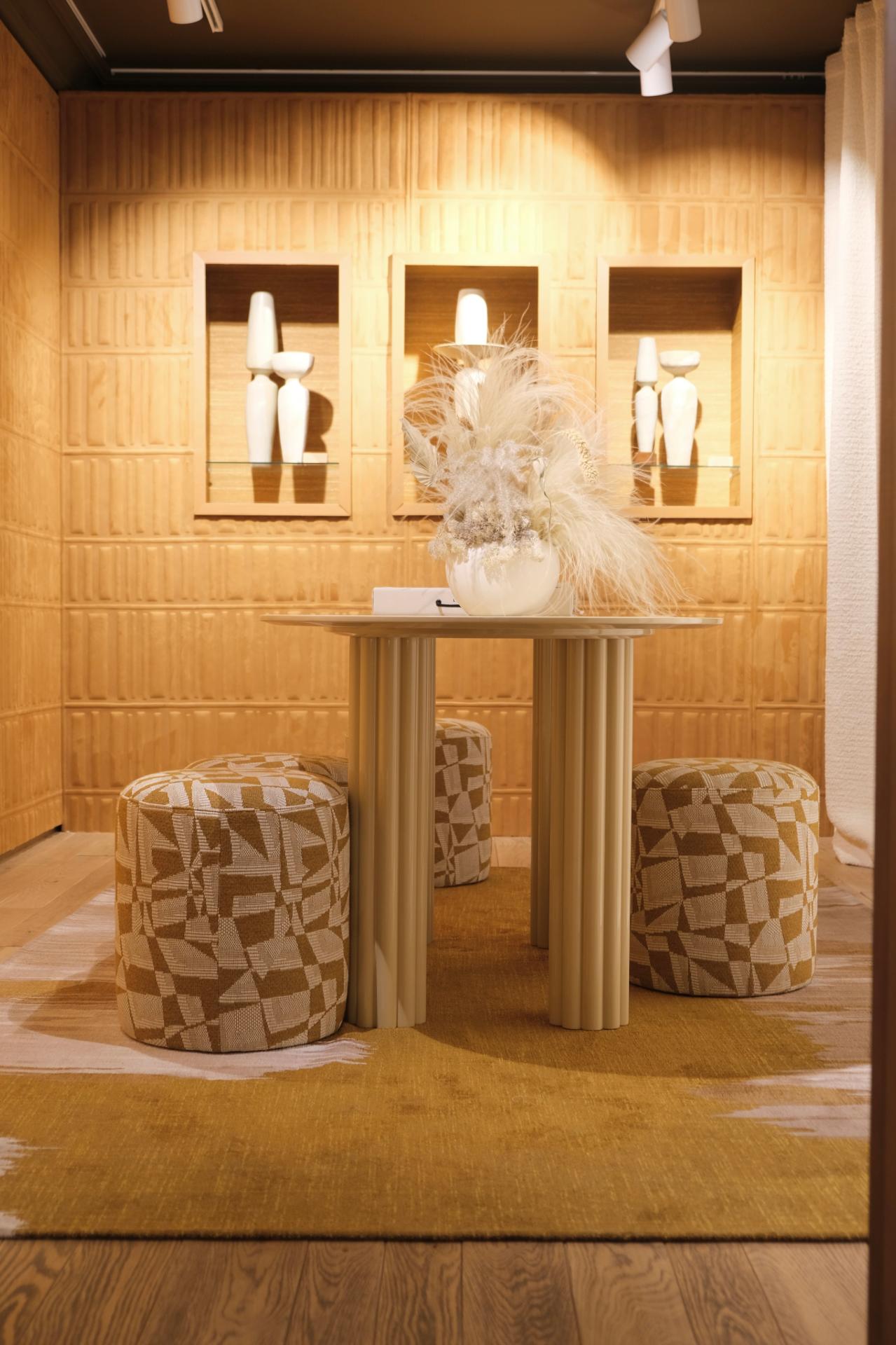
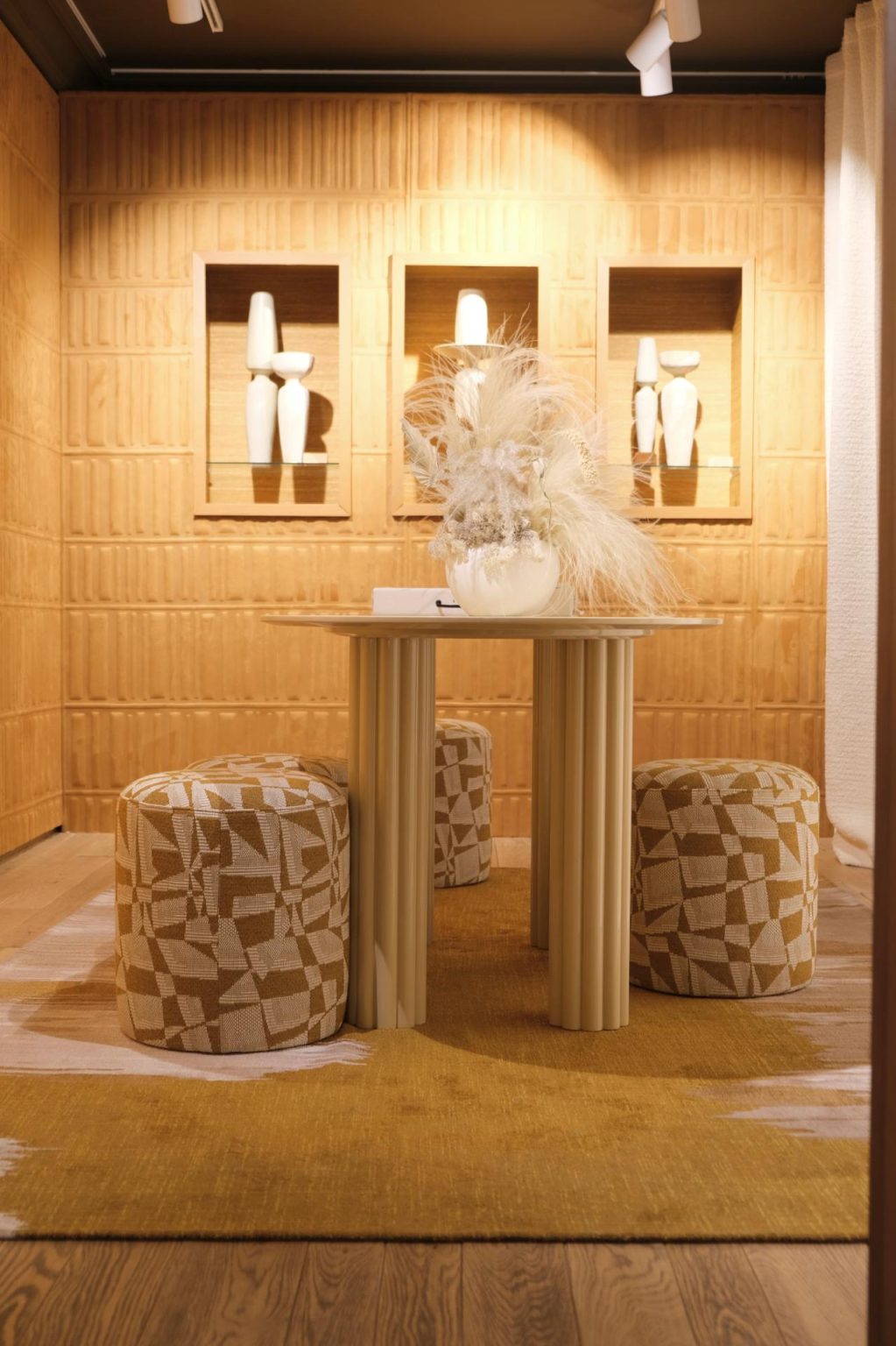
Decoración en tonos beige, mesa de madera con ramo de flores secas. Pared de madera con nicho en el que se colocan jarrones blancos.

Una edición inmersiva y audaz

La edición de 2025 se distinguió por su audacia escenográfica y su gusto por la mezcla creativa. Entre instalaciones monumentales, como el poético laberinto de Jérémy Pradier-Jeauneau en el Hôtel de la Marine, y experiencias inmersivas, como el Design Disco Club propuesto por Lafayette Anticipations, la ciudad se convirtió en un escenario de diseño para vivir y sentir, mucho más que para contemplar.
Los espacios se reinventaron: los tejidos esculpen tanto como visten, los objetos
cuestionan tanto como decoran, y el diseño se convierte en pretexto para el debate, la narración y la exploración sensorial.

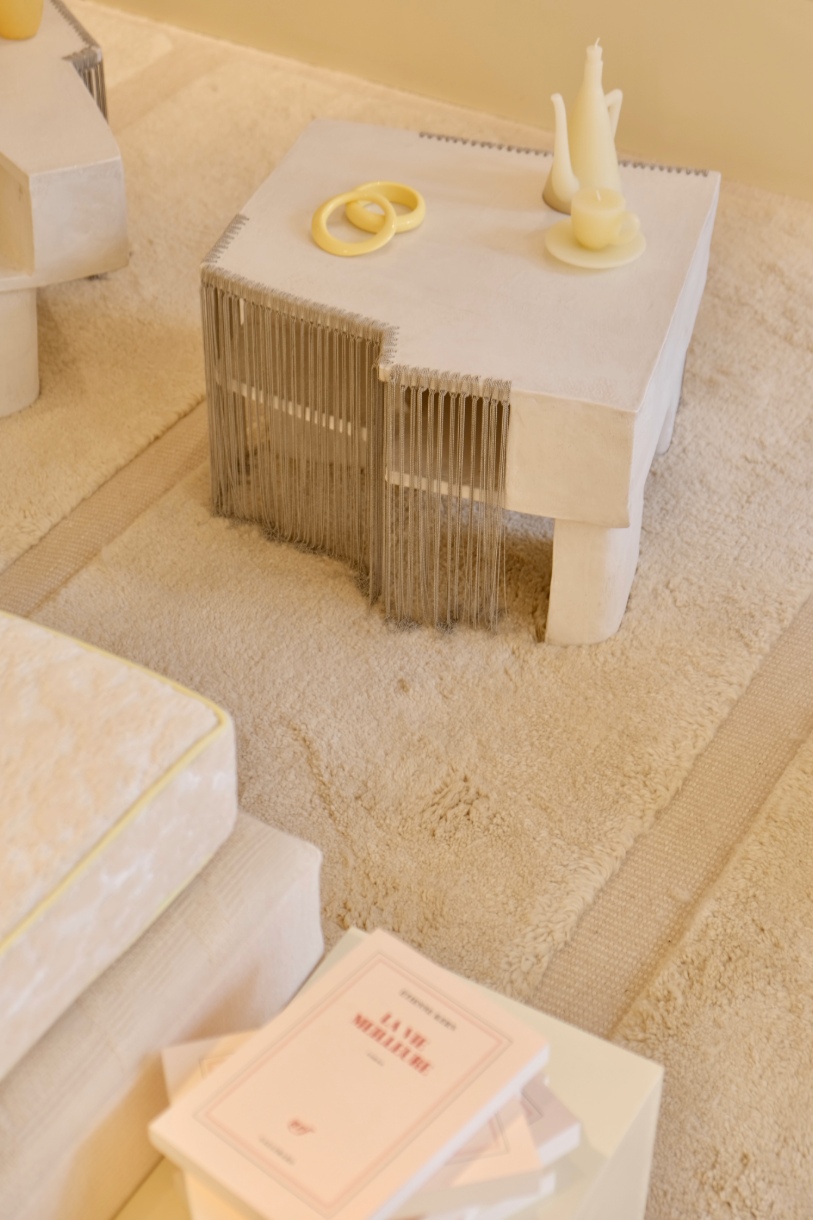
salón, tono beige con moqueta de terciopelo

Los favoritos de Parella: entre artesanía, tradición y modernidad

Entre las creaciones más inspiradoras de esta Paris Design Week, la silla de cuero y vidrio de la colección Crépuscule, firmada por Atelier Munae (fundada por Sarah Gracia), explora con delicadeza la unión entre artesanía y diseño, combinando vidrio, metal, madera y cuero. En otro orden de cosas, los tiradores gráficos imaginados por Pauline Borgia para Plum Living se declinan en una colección inédita, a veces estatutaria, a veces simbólica, en una paleta de tonos suaves: amarillo pálido, verde descolorido, gris claro.

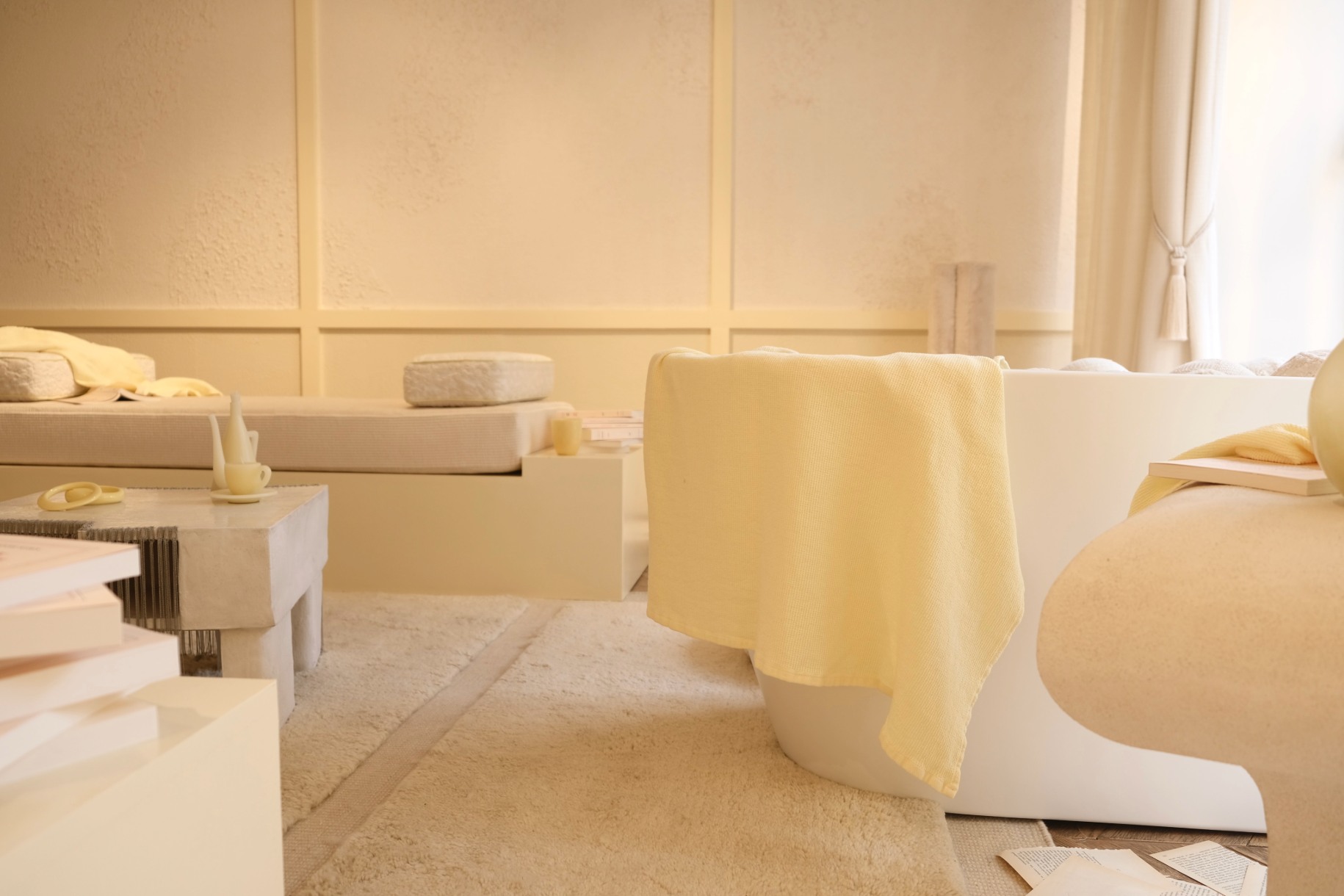
Aún más envolvente, la decoración Parenthèse, concebida como un auténtico capullo por Anne-Sophie Pailleret para Élitis, seduce por sus suaves tonos blancos y crema, y crea una atmósfera relajante.

Por su parte, el dúo Hauvette & Madani, en colaboración con Marine Breynaert, presentó una serie de piezas: la mesa Serge, el sillón Le Soufflé, el aplique Corbeille y la lámpara
Gioiello, que ilustran un diseño de líneas marcadas y elegancia contemporánea.
Con un espíritu más textil, la escenografía imaginada por Goodmoods para Le Jacquard Français, inspirada en el universo de Adam Pogue, propone alrededor de la mesa composiciones
en patchwork, a la vez gráficas y vibrantes.

Por último, las reediciones de piezas emblemáticas de los años 1945-1960 por Hyacinthe Design cerran con acierto este panorama: cada creación, fabricada a mano, numerada y producida en Francia, combina autenticidad, funcionalidad y carácter atemporal, en un diálogo sensible entre la herencia y la creación contemporánea.

decoración de dormitorio, mezcla de materiales, color beige

Una fuente de inspiración para los espacios de trabajo.

Esta explosión creativa confirma una convicción que tenemos en Parella: el diseño ya no se limita a la belleza.
Es portador de historias, valores y experiencias sensoriales que
alimentan los espacios del mañana, incluidos, y sobre todo, los entornos de trabajo.

Las tendencias observadas en la Paris Design Week inspiran nuestra forma de imaginar
oficinas más vivas, más emocionales y más en sintonía con sus usuarios.

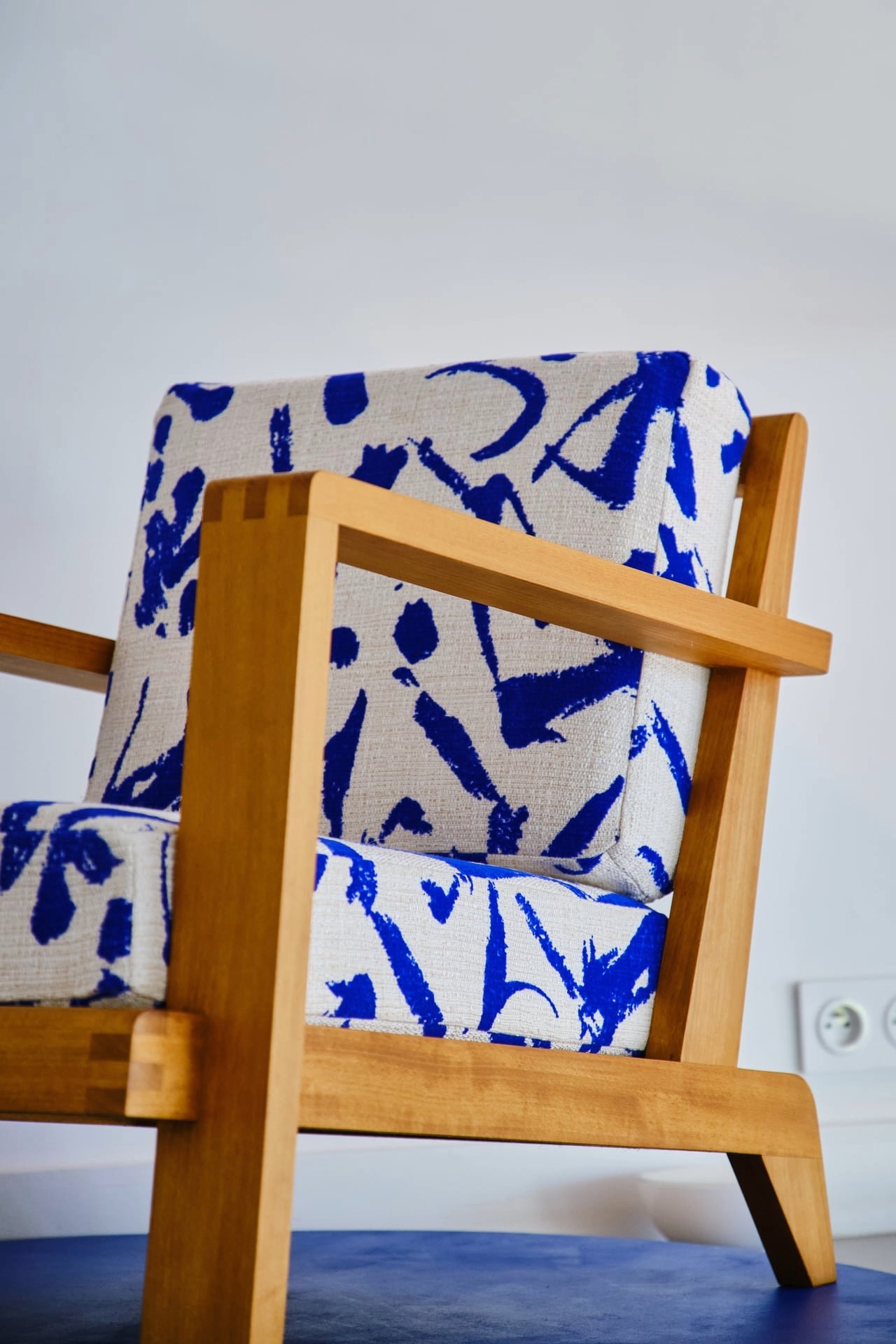
Silla de madera con asiento y respaldo tapizados con tela blanca y azul.

También te puede interesar...

OFFICES DESIGNED TO PROMOTE WELL-BEING
― Before 2020, the office was a default location. Today, it is a destination with a specific purpose...
PARIS ART WEEK
― Our teams immersed themselves in the heart of an inspiring ecosystem, deeply rooted in our lives...
Workspace Expo 2026
― The Workspace Expo, a true European hub for design and furnishings, returned to...

Maison et Objet

Maison et Objet 2025: Rethinking the Home, Reinventing Everyday Life

Once again exhibiting at the Maison & Objet trade show, Parella continues to expand its “
” initiative by exploring the most influential creative scenes in contemporary design.


Under the artistic direction of Amélie Pichard, the 2025 edition focused on the welcoming and unifying theme “Welcome Home”: an invitation to rethink our living and working spaces as sanctuaries conducive to reconnecting with ourselves, with others, and with the world.
A meaningful central theme that infused the event with a unique creative energy, focused on sustainability, uniqueness, and emotion.

The designers highlighted pieces made of two materials, furniture with bold lines, and statement pieces that combined visual harmony with a sense of purpose. The collection is a testament
to a design philosophy that goes beyond mere functionality to become a true language of expression and transformation.

Decoración acogedora, mezcla de materiales, color beige.

Nuestros favoritos Parella

Durante cinco días, exploramos universos atrevidos, poéticos, a veces incluso desconcertantes, pero siempre inspiradores.
Estos son algunos de los momentos más destacados de nuestra visita:

Entre las propuestas más llamativas, el estudio Policronica sedujo con su lámpara de pie Alicate, de líneas esculturales, acompañada de sillas de madera de una modernidad radical.
El estudio belga Duplex, por su parte, sublimó materiales industriales recuperados en muebles color-block singulares y expresivos. Por último, el dúo Haus Otto cautivó la atención con Zoom, una alfombra híbrida que combina innovación textil y saber hacer artesanal.

mesa de madera clara, taburete de madera sin tratar, pared blanca y decoración mural de acero

Enfoque en la escena alemana: talentos a seguir

Este año, Alemania se ha consolidado como uno de los centros más dinámicos de la creación contemporánea. Los Rising Talent Awards han premiado a siete prometedores diseñadores: Friedrich Gerlach, Marie Luise Stein, Moritz Walter, Haus Otto, Gerlach & Heilig, Studio Œ y Gabriel Tarmassi, cuyos enfoques exploran la sostenibilidad, la modularidad e incluso la experimentación biotecnológica.


Desde la escultura en madera hasta los objetos tecnológicos integrados, sus trabajos reflejan una nueva generación de creadores en busca de sentido e impacto. Más allá de las exposiciones, la feria también fue un espacio de reflexión e intercambio.
En una notable charla, Amélie Pichard, acompañada por Omar Ghannam y Olivier
Waché, abogó por un diseño sin barreras, en la encrucijada entre la artesanía y la innovación, pensado para suscitar tanto emoción como utilidad.

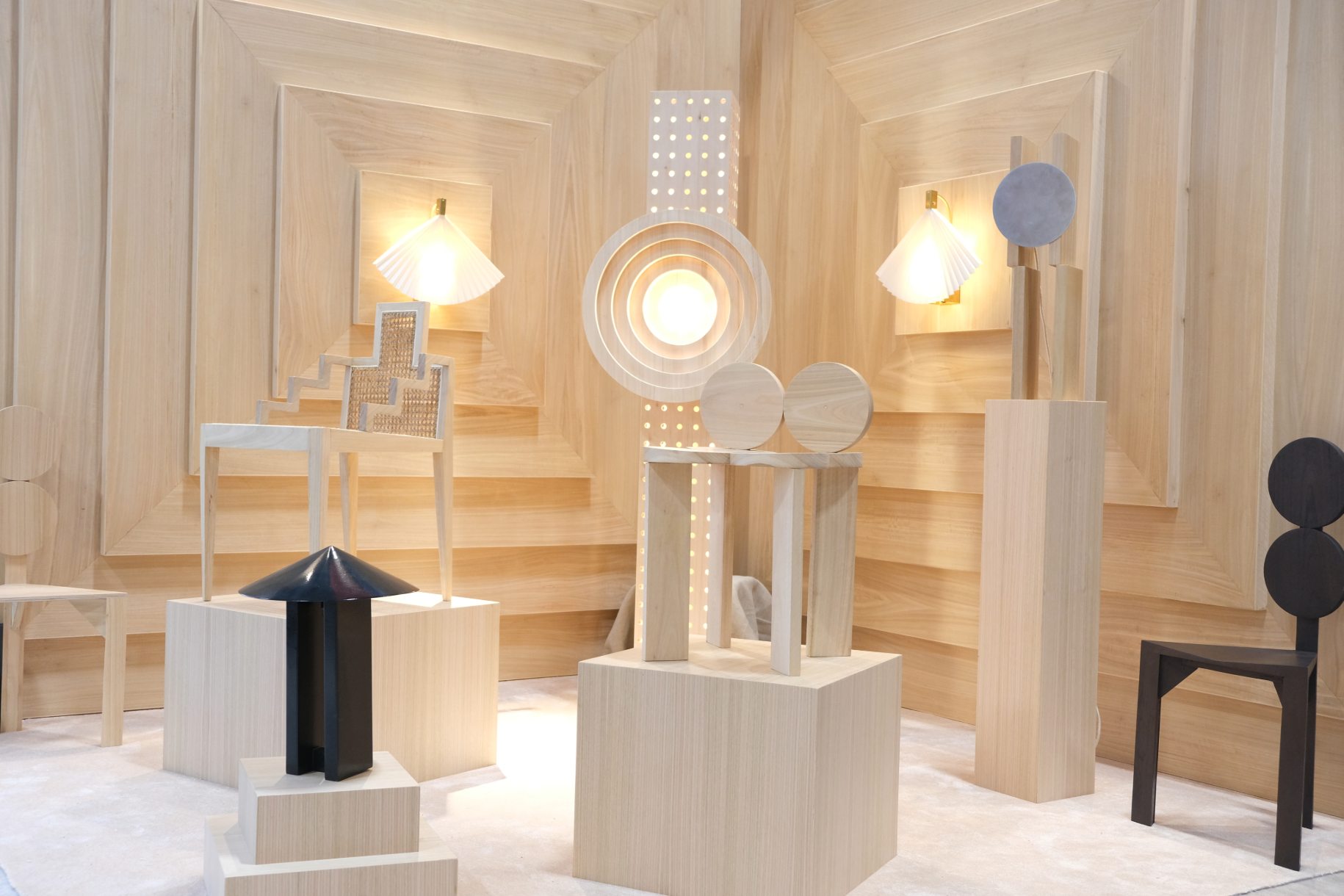
Conjunto de decoración y mobiliario en madera clara.

¿Y para Parella?

Para Parella, esta inmersión alimenta una fuerte convicción: el diseño es una palanca de experiencia. Nuestros espacios de trabajo deben inspirarse en estas vanguardias sensibles, donde la
dimensión visual se pone al servicio del uso, el bienestar y la relación.
Diseñamos entornos flexibles, alineados con la identidad de las empresas y las necesidades reales de sus equipos.Maison & Objet 2025 ha demostrado que el futuro del diseño ya está aquí, vivo, comprometido,
radicalment.

Juego de utensilios de cocina beige y naranja sobre tabla de cortar de madera sin tratar.

También te puede interesar...

PARIS ART WEEK
― Our teams immersed themselves in the heart of an inspiring ecosystem, deeply rooted in our lives...
Isabel llano: "trabajar para los inquilinos es conectar con sus necesidades reales"
- Isabel Llano, senior consultant at Parella | The New TTS, tiene claro que escuchar y entender al cliente...
Parella Paris appoints a new partner
― "This appointment reflects the high ambitions of our Paris office, as well as the strength of...
Article Office Paper

OFFICE PAPERS

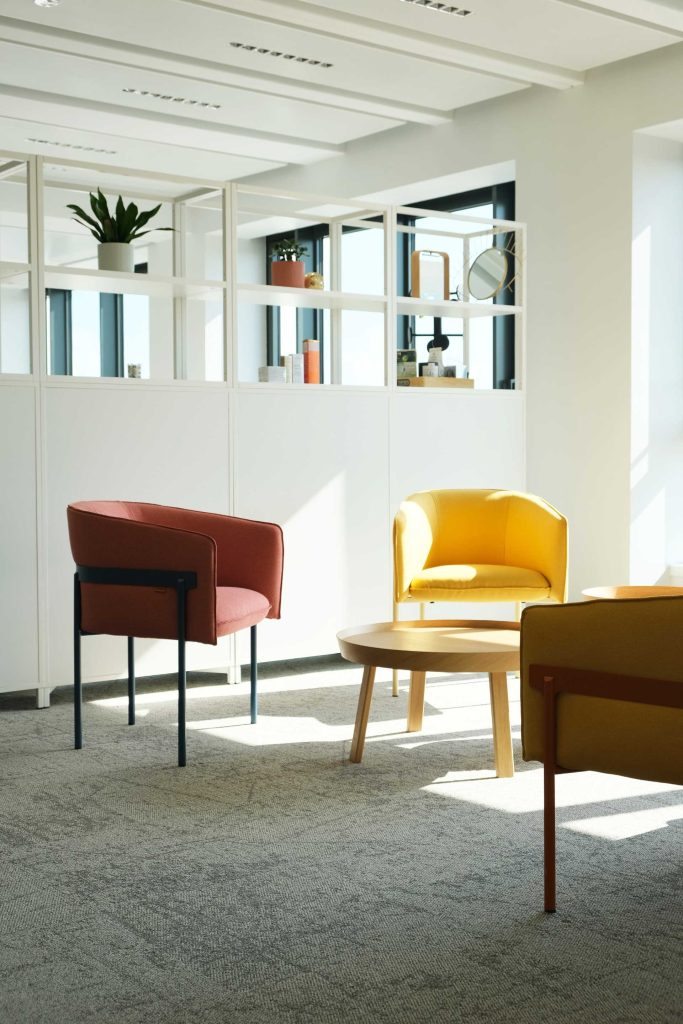
Pequeño salón con sillones rojos y amarillos, mesa baja de madera clara, en NAOS, por Parella.

GRACIAS

Su mensaje se ha enviado correctamente.
¡Le responderemos muy pronto!